

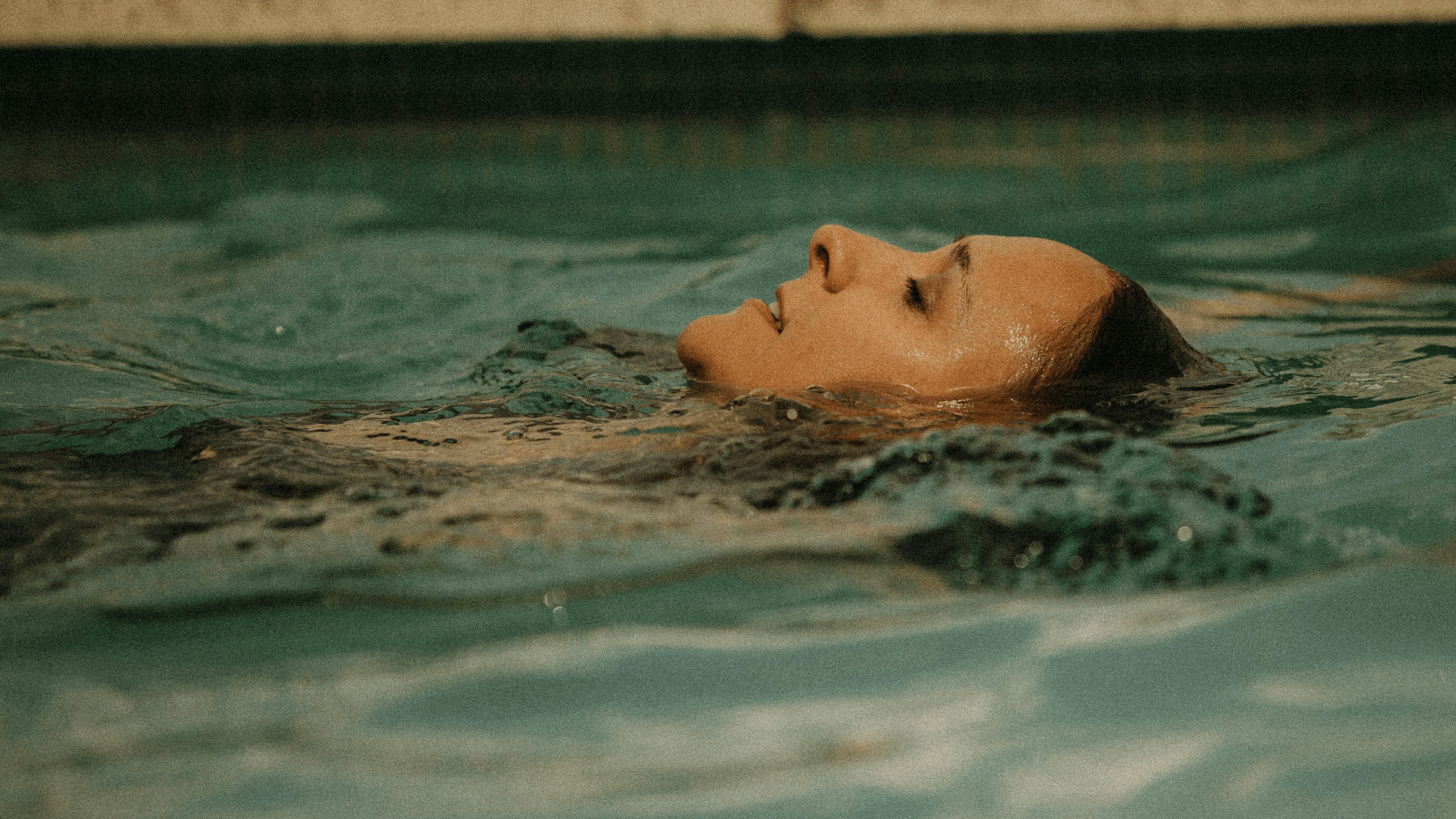
There is a specific kind of tiredness that sleep does not fix. You wake up exhausted. You go through your day feeling slightly disconnected, slightly on edge, like you are moving through life but not really present in it. You cannot point to one big thing that is wrong. Everything just feels like too much. If that sounds familiar, you are not alone. A huge number of Americans are living in that exact state right now and most of them have no idea why rest never seems to actually work anymore.
The answer, more often than not, is that your nervous system has not had a real break in a very long time. Not just a nap. Not just a quiet evening. A genuine, complete break from every single thing it is being asked to process every day. That is what float therapy gives you. And once you understand how it works, it is hard to think about rest the same way again.
Your Nervous System Is Running on Empty
Before we talk about floating, it helps to understand what is actually going on inside your body when you feel ungrounded. Your nervous system has two main modes. The first is the sympathetic state, which most people know as fight or flight. This is the mode your body activates when it senses pressure, danger or urgency. Your heart rate goes up. Your muscles tighten. Your mind sharpens and narrows its focus. This state is incredibly useful in short bursts.
The problem is that modern life keeps you stuck there almost permanently. Traffic, work deadlines, financial pressure, news cycles, social media, even background noise all of it registers as a low-level threat to your nervous system. And when your body never fully gets the signal that it is safe to stand down, it stays braced. For months. Sometimes years.
The second mode is the parasympathetic state, which is your body’s natural rest and recovery setting. This is where healing happens. Where your digestion works properly. Where your mood regulates itself. Where you actually feel like a human being rather than a machine running low on battery. Float sensory deprivation is one of the most effective ways to flip that switch and get your body back into the parasympathetic state, faster and more completely than almost anything else available.
What Actually Happens Inside a Float Tank
The Setup
- You step into a private pod or room filled with Epsom salt saturated water
- The salt concentration is so high your body floats completely effortlessly
- Nothing holds you up you are simply suspended in stillness
The Environment
- Water is heated to match your skin temperature around 93 degrees Fahrenheit
- After a few minutes you cannot feel where your body ends and water begins
- Completely dark. Fully soundproofed. Phone outside. World outside.
What Your Brain Does
- Your brain stops receiving input from your eyes, ears and muscles
- Inside the tank sensory deprivation pod it has nothing left to process
- So without any effort from you, it simply slows down
Theta Wave Activity
- Within 20 to 30 minutes your brain naturally drifts into theta wave activity
- The same deep state experienced meditators spend years trying to reach
- Deeply calm, completely quiet and totally effortless
What Makes It Different
- Sensory deprivation does not ask anything of you
- No focusing. No breathing techniques. No trying.
- The environment removes every demand at once
- The stillness is not something you create it is what remains when everything else is gone
Why Floating Makes You Feel Grounded Again
Feeling grounded is not just a mental experience. It is a physical one. Your body carries stress the same way your mind does in tight shoulders, a clenched jaw, shallow breathing, a spine that never fully decompresses. Most people are so used to carrying that tension that they have stopped noticing it.
Float therapy addresses this from every angle at once.
The Epsom salt removes all gravitational pressure from your joints, muscles and spine. When your body stops bracing against gravity, something releases. Not just physically but emotionally. There is a reason so many people feel unexpectedly emotional during their first float. The body has been holding on to a lot and it finally has permission to let go.
The magnesium in the Epsom salt absorbs directly through your skin during your session. This matters more than most people realize. Magnesium plays a direct role in regulating your nervous system, reducing inflammation and supporting the production of serotonin and dopamine, the chemicals your brain needs to maintain a stable, positive mood. A significant portion of Americans are deficient in magnesium without knowing it. Floating gives your body a gentle, passive way to absorb what it has been missing.
Flotation meditation happens on its own inside the tank. For people who have tried meditation and found it frustrating because their mind will not quiet down, floating removes the problem entirely. There is nothing to distract you. The stillness is not something you achieve. It is simply what remains when everything else is taken away.
What It Does for Anxiety and Emotional Balance
The research on float sensory deprivation and mental health is genuinely promising. Multiple studies have shown measurable reductions in anxiety, cortisol levels and perceived stress following regular float sessions. For people managing chronic anxiety, that is significant.
Anxiety is largely a response to overstimulation. Your nervous system receives more input than it can process and it responds by staying on high alert. Sensory deprivation works directly against that by removing all stimulation at once and giving your system a clean reset.
What many people find even more meaningful is the emotional shift that happens after a session. Stress and emotional overwhelm do not just live in your thoughts. They live in your body, in the tension patterns you carry, in the shallow breathing that has become your default, in the feeling of never being fully present in your own life.
The deep parasympathetic state that float therapy produces gives those patterns a real chance to release. People consistently describe walking out of a session feeling not just relaxed but lighter. More like themselves. More able to handle what life is throwing at them without feeling like it is all too much.
Float Therapy for Busy Americans
In the United States, rest has become something people feel they have to earn. Taking 90 minutes to lie in silence can feel almost irresponsible when you have a packed schedule, a demanding job and a family depending on you.
But the cost of running your nervous system on empty is much higher than the cost of taking the time to genuinely recover. Burnout, chronic anxiety, sleep problems and emotional exhaustion are not signs of weakness. They are signs that your body has been asked to keep going without ever being given the resources to recover.
Tank sensory deprivation offers something uniquely practical for Americans who are stretched thin: deep, genuine nervous system recovery in a single contained session. You do not need a week-long retreat. You do not need to overhaul your entire lifestyle. You need 60 to 90 minutes and an environment that finally lets your body do what it already knows how to do.
How Often Should You Float?
One session is enough to feel a real difference. Most people describe feeling noticeably calmer, more present and physically lighter for several days after their first float.
For lasting results, especially if you are dealing with ongoing stress, anxiety or burnout, consistency is what builds real change. One session per week for the first month gives your nervous system enough time to establish a new, calmer baseline. After that, most people find that two sessions per month is enough to maintain what they have built. The most important step is simply starting. One float will show you what your body is actually capable of feeling when the world finally goes quiet.
Secret Soak Society | Where Grounding Begins
If you are in the USA and ready to experience what genuine nervous system rest actually feels like, Secret Soak Society has built an environment designed specifically for that. Every detail of the float experience is thoughtfully designed to help you arrive somewhere most people have forgotten exists: complete, uninterrupted stillness.
Whether this is your first time exploring float therapy or you are coming back to deepen a practice you have already started, the experience meets you exactly where you are.
Before You Go | A Few Practical Tips
Skip caffeine for at least four hours before your session. Eat something light about an hour beforehand. Avoid shaving or waxing in the 24 hours before you float since the salt can irritate freshly treated skin. Arrive a little early so you are not rushing. And go in without a specific goal. The less you try to make something happen, the more your nervous system will be able to actually let go.
The Bottom Line
Feeling grounded is not a personality trait that some people are born with and others are not. It is a physiological state that your body knows how to return to when given the right conditions. Float therapy creates those conditions. It removes the noise, the stimulation, the physical weight and the relentless demands of daily life and replaces them with the one thing your nervous system genuinely needs: real silence. If you have been feeling scattered, anxious, exhausted or just far away from yourself, your body already knows the way back. Secret Soak Society is here when you are ready to find it.
Frequently Asked Questions
Q1. What is float therapy and how does it help you feel grounded?
Float therapy involves floating in a sensory deprivation environment filled with Epsom salt water in complete darkness and silence. It calms your nervous system, releases physical tension and brings your mind to a deeply settled state, helping you feel more grounded, emotionally balanced and genuinely present in your daily life.
Q2. Is float sensory deprivation safe for people with anxiety?
Yes, float sensory deprivation is safe and highly beneficial for anxiety. Removing all external stimulation gives your nervous system a complete reset. Regular float therapy sessions have shown measurable reductions in anxiety symptoms and help retrain your body’s stress response over time.
Q3. How long does it take to feel grounded after a float session?
Most people feel calmer and more present immediately after a tank sensory deprivation session. That grounded feeling typically lasts several days after a single float. With regular flotation meditation sessions the effects deepen and begin to carry naturally into everyday life.
Q4. How is flotation meditation different from regular meditation?
Flotation meditation removes all external distractions automatically, making deep mental stillness effortless. Unlike traditional meditation where you actively work to quiet your mind, sensory deprivation creates the conditions for stillness without requiring any technique, training or prior experience.
Q5. How often should you do float therapy to stay grounded?
One float therapy session per week for the first month helps your nervous system build a calmer baseline. After that, two sessions per month is enough for most people to maintain the balanced, grounded feeling that float sensory deprivation produces consistently over time.






![[Quasi-drug] Bath Salt, Lemon Scent, 21.3 oz (600](https://m.media-amazon.com/images/I/716ZNtnKM-L._AC_UL320_.jpg)