In the polished wellness sanctuaries of India’s bustling metros, where ancient Ayurvedic traditions meet contemporary self-care rituals, float therapy has quietly emerged as one of the most intriguing yet misunderstood practices. For many first-time visitors to centers like those of the Secret Soak Society, the idea of stepping into a light- and sound-proof pod filled with buoyant, skin-temperature water can evoke a mix of curiosity and apprehension. Will it feel like being trapped? Will I panic in the silence? Is it truly as transformative as enthusiasts claim? These questions are not only common—they are universal among newcomers. Yet, as a growing body of peer-reviewed research demonstrates, float therapy, or flotation-REST (Restricted Environmental Stimulation Therapy), delivers profound benefits precisely because it dismantles the very myths that hold people back. Far from an exotic novelty or claustrophobic ordeal, it is a scientifically supported sanctuary that meets the modern nervous system exactly where it is: overstimulated, under-rested, and yearning for true stillness.
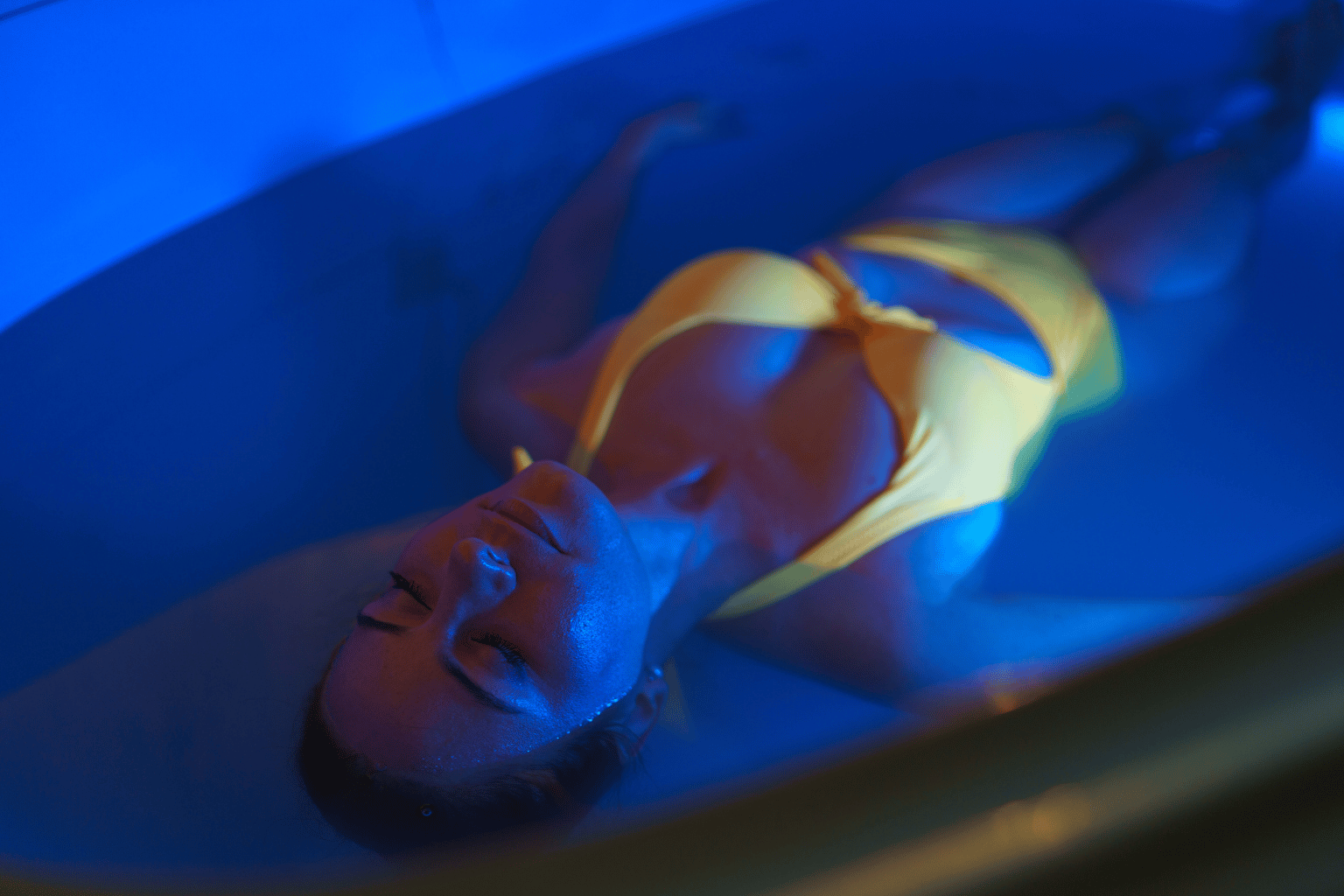
The most persistent myth is that the float tank resembles a coffin or a confined space that triggers claustrophobia. In reality, today’s professional-grade tanks are spacious—often large enough to sit up, stretch, or even keep the lid open if preferred. The solution, saturated with over 500 kg of Epsom salt, creates effortless buoyancy so profound that the body floats without effort, eliminating any sensation of enclosure. Clinical observations and participant feedback across multiple studies confirm that even those with pre-existing anxiety about confined spaces report the experience as liberating rather than restrictive. The tank’s design prioritizes comfort: water heated precisely to 34.5°C matches skin temperature so seamlessly that the boundary between body and environment dissolves, while optional lighting and music cues ease the transition for beginners. Systematic reviews of flotation-REST consistently note high tolerability, with dropout rates near zero when proper orientation is provided.
Another widespread misconception is that one will inevitably grow bored or restless during the 60-minute session. The opposite is far more common. Within 20–30 minutes, the brain naturally transitions into theta-dominant brainwave states—those elusive frequencies associated with deep meditation, creativity, and emotional processing. Without external stimuli demanding attention, the mind does not wander aimlessly; it enters a state of profound presence. Randomized trials show that participants experience measurable reductions in state anxiety almost immediately, often describing the session as more relaxing than any prior therapy or relaxation technique they have tried. For India’s high-achieving professionals accustomed to constant digital pings and decision fatigue, this absence of input is not emptiness—it is freedom. The silence becomes a canvas for mental clarity rather than a void.
Skeptics also question whether the benefits are placebo or overhyped. Yet the evidence is robust. A landmark 2025 systematic review analyzing 63 studies and nearly 1,800 participants concluded that flotation-REST produces consistent positive effects on stress, clinical anxiety, pain, athletic performance, and mental well-being. Cortisol levels drop measurably, blood pressure normalizes, and subjective feelings of relaxation surge—outcomes that outperform passive rest controls in head-to-head comparisons. These are not anecdotal claims; they are replicated across controlled trials, including those from the Laureate Institute for Brain Research, where even a single session significantly alleviated symptoms in individuals with anxiety disorders. For first-timers worried about “wasting time,” the data suggests the return on investment is remarkably high: one hour can recalibrate the nervous system in ways that linger for days.
What actually happens in those first moments inside the tank? Upon entering, the body is supported so completely that gravity’s constant pull vanishes—an experience many describe as weightless liberation. The warm, dense solution cradles every joint and muscle, releasing tension that years of desk work, commuting, or training have accumulated. Sensory input fades: the room is darkened, external noise is eliminated, and the water’s temperature makes it impossible to distinguish where the body ends and the environment begins. This sensory minimization allows the default mode network—the brain’s “autopilot” for rumination—to quiet, while parasympathetic activity rises. Heart rate variability improves, muscle tension melts, and a gentle wave of serenity replaces the usual mental chatter. Studies tracking first-time floaters document rapid decreases in perceived stress and increases in mindfulness, with many reporting altered states of consciousness that feel expansive rather than disorienting.
Practical concerns—hygiene, what to wear, whether one can fall asleep—have equally straightforward answers grounded in real-world protocols. Centers maintain pharmaceutical-grade filtration systems, with water changed or treated between every session. Participants float nude for optimal sensation, though a swimsuit is optional. Falling asleep is not only safe but common; the extreme buoyancy prevents rolling over, and the shallow solution depth ensures effortless breathing. Post-session, many feel so profoundly rested that they describe it as superior to several hours of conventional sleep. For those navigating India’s humid climates or sensitive skin, the magnesium-rich Epsom salt offers additional soothing benefits, softening and nourishing the skin without residue.
The beauty of the first float lies in its accessibility. No prior meditation experience is required. No physical fitness level is assumed. Whether you are a corporate leader battling decision fatigue, a parent juggling multiple roles, or simply someone curious about deeper rest, the tank meets you precisely as you are. Orientation sessions address every fear: the emergency button is always within reach, staff are nearby, and the process is fully customizable. Research on highly sensitive individuals further supports this: those who score higher on sensory processing sensitivity scales often report the greatest benefits, experiencing enhanced mindfulness and emotional regulation that carries into daily life.
Ultimately, the myths surrounding float therapy persist only until one experiences it. What awaits is not an endurance test but an invitation—to surrender, to reset, and to rediscover the quiet power that modern life so often drowns out. For India’s wellness seekers ready to move beyond surface-level self-care, that first session marks the beginning of a relationship with stillness that pays dividends in clarity, resilience, and joy. The pod is not a mystery box; it is a mirror reflecting your own innate capacity for restoration. Step in, float, and emerge lighter—ready to meet the world with renewed presence.


![[Quasi-drug] Bath Salt, Lemon Scent, 21.3 oz (600](https://m.media-amazon.com/images/I/716ZNtnKM-L._AC_UL320_.jpg)