
Exploring the benefits of sensory deprivation at home can be a simple way to make time for quiet, relaxation, and fewer distractions. You do not need a professional float tank to start. A calm room, comfortable surroundings, and a few minutes away from screens and noise can help you build a relaxing routine.
Sensory deprivation means reducing outside stimulation, such as light, sound, and touch. Some people explore it through float therapy, while others prefer a quiet bath or a peaceful space at home. The goal is not to block every sensation but to give your mind and body a break from everyday demands.
For beginners, The Secret Soak Society encourages a practical approach: start with short sessions, choose a comfortable environment, and pay attention to how you feel. Here is how to explore sensory deprivation safely and understand its potential benefits.
What Are the Benefits of Sensory Deprivation?
The benefits of sensory deprivation may include relaxation, reduced feelings of stress, improved awareness of the body, and a calmer environment for quiet reflection. Research on floatation therapy suggests that some people experience short-term improvements in relaxation and anxiety symptoms, although results vary and more research is needed.
Reducing stimulation can also help you step away from constant notifications, busy surroundings, and screen time. However, sensory deprivation is not a guaranteed treatment for stress, anxiety, sleep problems, or other health conditions.
Potential benefits include:
- Relaxation: A quiet setting can make it easier to unwind after a busy day.
- A break from daily distractions: Less noise and fewer notifications create space for rest.
- Body awareness: Quiet time may help you notice muscle tension, breathing patterns, and physical comfort.
- Mindful reflection: A low-stimulation environment can support breathing exercises and gentle meditation.
- A calming evening routine: A warm bath and a quiet room may help you prepare for bedtime.
How Can Beginners Try Sensory Deprivation Safely at Home?
The safest way to begin is to reduce stimulation gradually in a familiar, comfortable space. You can dim the lights, silence your phone, and spend five to ten minutes sitting or lying down. Keep the room ventilated, maintain a comfortable temperature, and stop if you feel dizzy, panicked, or uncomfortable.
You do not need special equipment to get started. Follow these steps to create a simple home relaxation session.
Prepare a Quiet Space
Choose a room where you can relax without interruptions. Turn off unnecessary screens, lower the lights, and reduce background noise.
Use a comfortable chair, yoga mat, or bed. Keep your phone nearby for emergencies, even if you silence notifications during the session.
Start With a Short Session
Begin with five to ten minutes. Close your eyes if that feels comfortable, relax your shoulders, and breathe naturally.
Avoid forcing yourself to stay still or attempting to eliminate every sound and sensation. If you feel uneasy, open your eyes, turn on the lights, and return to your normal surroundings.
Try Gentle Breathing
Pay attention to your natural breathing without holding your breath or forcing deep inhalations. Notice how your body feels against the chair, mat, or bed.
If your thoughts wander, gently return your attention to your breathing. You do not need to clear your mind completely for the session to be worthwhile.
Extend the Time Gradually
If your first session feels comfortable, you can gradually extend it to 15 or 20 minutes. There is no required duration, and longer sessions are not automatically better.
Keep track of what helps you feel relaxed. Some people prefer silence, while others find gentle background sounds more comfortable.
Reflect After Each Session
When you finish, sit up slowly, open your eyes, and take a moment to notice how you feel. Drink some water if you are thirsty and return to your usual activities at a comfortable pace.
If the experience increases your anxiety or causes discomfort, shorten future sessions or stop altogether.
Can a Salt Bath Help You Explore Sensory Deprivation?
A salt bath can create a soothing, float-inspired experience at home, but it is not the same as sensory deprivation in a float tank. A bath still provides sensations from water temperature, movement, and contact with the tub. It can, however, become part of a relaxing routine when you reduce noise, dim the lights, and put away your phone.
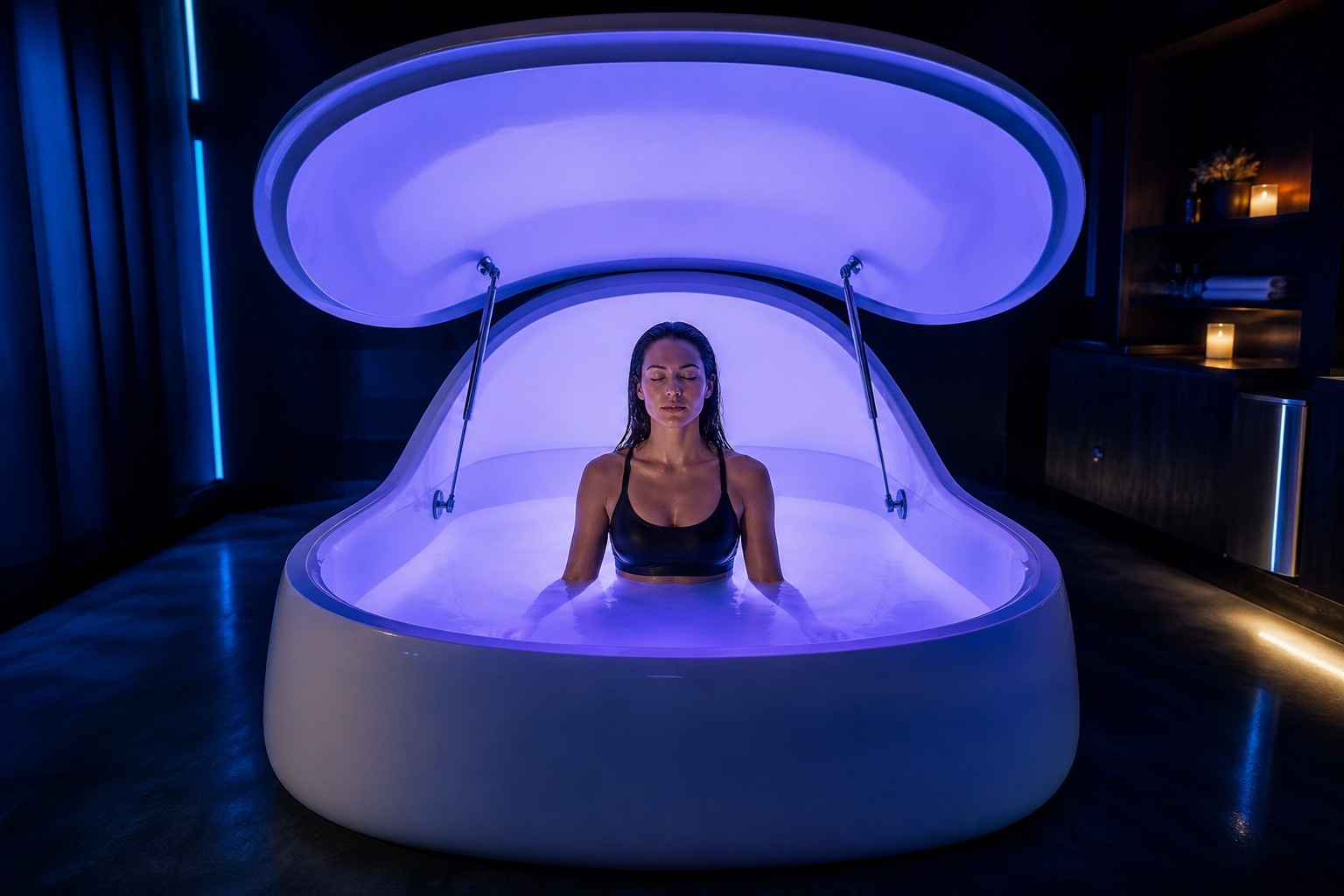
Some people explore salt float benefits through professional float therapy, where they float in water containing a high concentration of Epsom salt or other suitable salts. The buoyancy can make floating easier, while a quiet environment limits some external distractions.
At home, consider these practical tips:
- Use comfortably warm water rather than very hot water.
- Choose a fragrance-free bath product if you have sensitive skin.
- Follow the product label for the correct amount of salt.
- Keep your head above water and avoid falling asleep in the bath.
- Get out if you feel lightheaded, overheated, or unwell.
What Role Do Magnesium Bath Products Play?
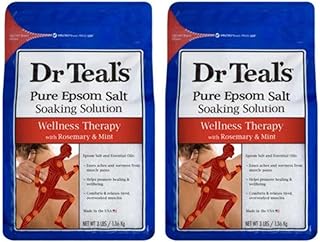
Magnesium bath products, including Epsom salt and magnesium chloride flakes, are popular additions to home bathing routines. People often use them to create a spa-like atmosphere and make ordinary bath time feel more intentional.
However, claims about magnesium flakes’ benefits need careful consideration. There is limited evidence that soaking in magnesium flakes raises magnesium levels in the body enough to deliver specific health benefits. A relaxing bath may feel pleasant, but that experience does not prove that magnesium has been absorbed through the skin in a meaningful amount.
If you want to try a magnesium bath product, keep these points in mind:
- Check the ingredients and follow the manufacturer’s directions.
- Avoid using the product on broken or irritated skin.
- Stop if you notice burning, itching, or other irritation.
- Ask a healthcare professional before use if you have a medical condition that affects your ability to bathe safely.
Sensory Deprivation at Home vs. Professional Float Therapy
Both approaches can reduce some everyday distractions, but they offer different experiences.
| Feature | At-home relaxation | Professional float therapy |
| Environment | Familiar room or bathroom | Purpose-built float room or tank |
| Equipment | Basic household items | Specialized float tank and filtration system |
| Sensory control | Usually partial | Often greater control over light and sound |
| Cost | Usually low | Typically involves a session fee |
| Best starting point | Short, simple relaxation sessions | People seeking a dedicated floating experience |
Who Should Take Extra Care?
Most people can experiment with ordinary quiet time, but intense sensory reduction or bathing may not be comfortable or suitable for everyone. People who experience panic in enclosed spaces, significant discomfort in darkness, or distress when external stimulation decreases should start with eyes-open relaxation in a normally lit room.
Take extra care with baths or float sessions if you have a condition that affects balance, consciousness, temperature regulation, or safe entry and exit from water. Seek medical advice if you are unsure whether a float session is appropriate for you.
Never lock yourself into a room or container, restrict your breathing, or use drugs or alcohol to intensify the experience. You should always be able to stop immediately.
How The Secret Soak Society Can Help You Build a Home Wellness Routine
Creating a relaxing space does not require expensive equipment. Start with simple changes, such as softer lighting, fewer distractions, and a comfortable place to unwind. If you enjoy bathing, you can also compare bath salts and magnesium bath products to find options that suit your preferences.
At The Secret Soak Society, the goal is to help you explore home wellness products thoughtfully. Choose products based on their ingredients, directions, and practical value rather than promises of dramatic results.
Conclusion
The benefits of sensory deprivation may include a calmer environment, fewer distractions, and an opportunity to unwind. Beginners can explore these possibilities through short quiet sessions, gentle breathing, and comfortable home relaxation routines.
You do not need to eliminate every sound or sensation to enjoy a break from daily demands. Start small, pay attention to your comfort, and choose practices that fit your lifestyle.
The Secret Soak Society encourages a thoughtful approach to home wellness, from creating a peaceful space to choosing suitable bath and relaxation products. Keep your expectations realistic, prioritise safety, and build a routine that feels right for you.
Frequently Asked Questions
What are the benefits of sensory deprivation for beginners?
The potential benefits of sensory deprivation include relaxation, fewer distractions, greater awareness of physical tension, and time for quiet reflection. Some people also report feeling calmer after float therapy. However, results vary, and sensory deprivation should not replace professional care for ongoing mental or physical health concerns.
Can I experience sensory deprivation at home without a float tank?
Yes. You can begin by spending five to ten minutes in a quiet room with dim lighting and no screens. Focus on comfortable breathing and allow yourself to relax naturally. This reduces stimulation but does not fully reproduce the conditions of a professional float tank.
What are the main salt float benefits?
People commonly explore salt floating for relaxation, buoyancy, and a break from everyday sensory input. Some studies suggest potential short-term benefits for stress and anxiety, but the evidence remains limited. Individual results differ, and salt floating is not a guaranteed treatment for any medical condition.
Do magnesium flakes benefits include better sleep?
Some people find a warm magnesium bath relaxing before bedtime. However, strong evidence that magnesium flakes absorbed through the skin improve sleep is lacking. A consistent sleep schedule, a comfortable bedroom, and a calming bedtime routine are more established ways to support healthy sleep.
How long should a beginner practise sensory deprivation?
Start with five to ten minutes in a familiar, comfortable environment. If you feel relaxed, you can gradually increase the time. There is no ideal duration for everyone. Stop if you experience anxiety, dizziness, or discomfort, and avoid attempting prolonged isolation without appropriate supervision.



![[Quasi-drug] Bath Salt, Lemon Scent, 21.3 oz (600](https://m.media-amazon.com/images/I/716ZNtnKM-L._AC_UL320_.jpg)