
Muscle fatigue, soreness, and delayed recovery are common challenges for athletes, fitness enthusiasts, and individuals leading active lifestyles. While traditional recovery methods include stretching, massage, and rest, Float Session Therapy has emerged as a revolutionary solution to enhance muscle recovery naturally.
In this article, we explore why Float Session Therapy is considered a game-changer for muscle recovery, how it works, its numerous benefits, and what makes it stand out from other recovery modalities. We will also dive into the science behind it and answer frequently asked questions.
What Is Float Session Therapy?
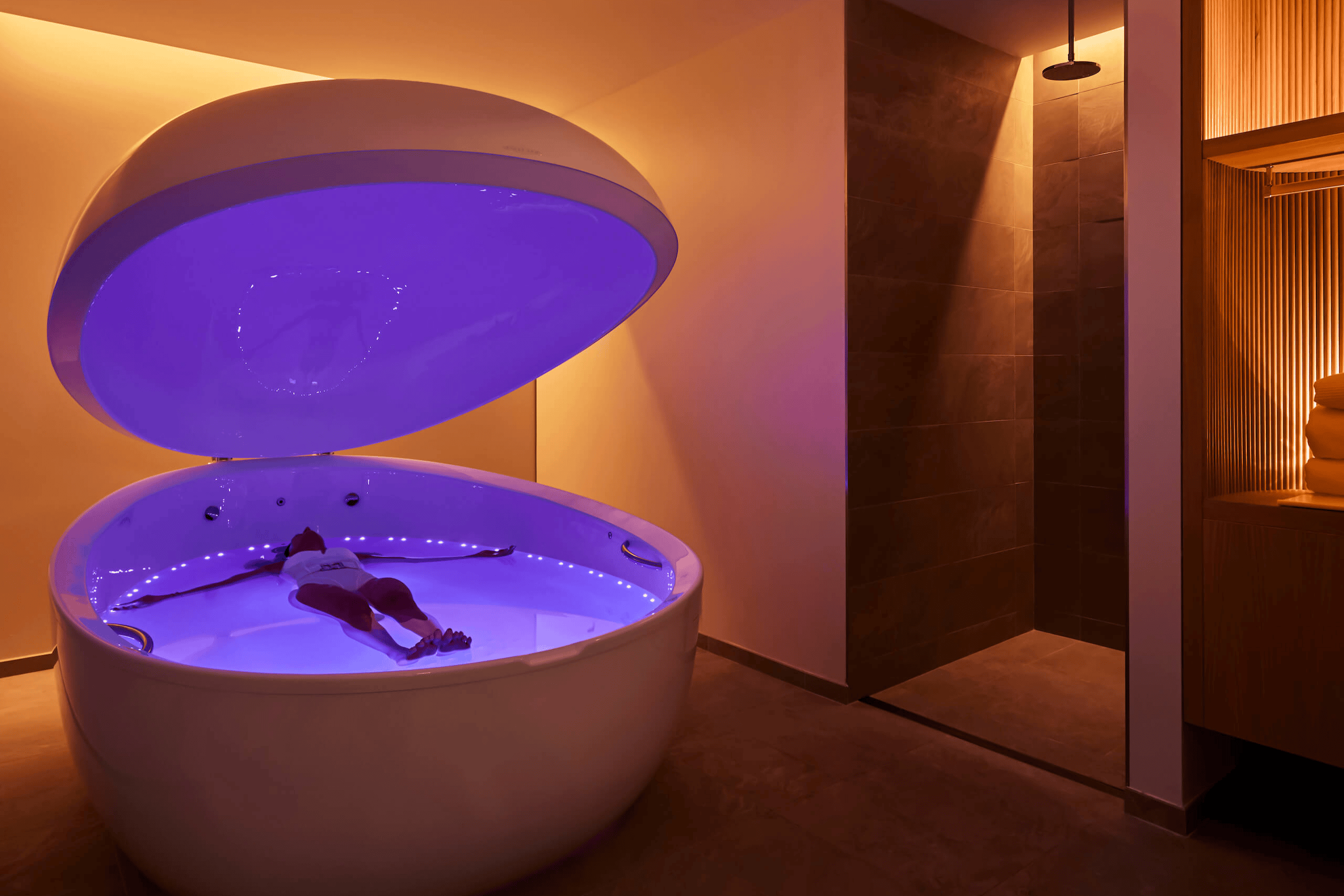
Float Therapy What Is It? Float Session Therapy, also known as sensory deprivation float therapy, involves lying in a floatation tank filled with water saturated with Epsom salts. The water is maintained at body temperature, creating a sensation of weightlessness.
The environment is designed to reduce external sensory input, including light and sound, allowing the body and mind to deeply relax. This combination of weightlessness, buoyancy, and sensory reduction provides unique conditions for recovery, healing, and relaxation.
Float Therapy Offers a variety of benefits beyond just muscle recovery, including stress reduction, mental clarity, and improved sleep quality.
How Float Session Therapy Supports Muscle Recovery
1. Reduces Muscle Tension
Muscle tension can hinder recovery and limit mobility. Float Session Therapy allows the muscles to relax fully due to the weightless environment. The Float Session Benefits include reduced strain on joints and muscles, allowing the body to heal naturally.
2. Enhances Circulation
When floating, blood circulation improves, which delivers oxygen and essential nutrients to fatigued muscles. This boost in circulation is a key factor in the Health Benefits of Float Therapy and contributes to faster muscle repair.
3. Promotes Epsom Salt Absorption
The high concentration of magnesium in the Epsom salts used in Float Therapy Sessions is absorbed through the skin. Magnesium helps reduce inflammation, relieves muscle cramps, and accelerates recovery. This is one of the most unique Float Therapy Offers that traditional recovery methods cannot replicate.
4. Reduces Stress Hormones
Floating reduces cortisol levels and promotes relaxation. Since stress hormones can negatively impact muscle recovery, Float Therapy for Relaxation indirectly contributes to faster healing and improved performance.
5. Improves Sleep Quality
Quality sleep is essential for muscle recovery. Float Therapy Sessions help regulate sleep patterns by calming the nervous system and reducing anxiety. Better sleep enhances the Effects of Float Therapy, allowing your muscles to repair efficiently.
Key Benefits of Float Session Therapy for Muscle Recovery
Here’s a closer look at the primary Benefits of Float Therapy for athletes and active individuals:
- Reduced Muscle Soreness: By easing tension and enhancing circulation, float therapy alleviates post-workout soreness.
- Faster Recovery Time: The combination of relaxation and magnesium absorption speeds up muscle repair.
- Improved Range of Motion: Reduced muscle stiffness allows for better flexibility and mobility.
- Pain Relief: Float Therapy for Depression and physical discomfort shows that it can also relieve minor aches in muscles and joints.
- Mental Clarity: Reduced sensory input allows for mental recovery alongside physical recovery.
Many athletes now consider Float Session Therapy an essential component of their recovery routine because it addresses both physical and mental fatigue.
The Science Behind Float Therapy
Science Behind Float Therapy explains why it is so effective for muscle recovery:
- Sensory Deprivation: By minimizing sensory input, the brain enters a deeply relaxed state, reducing cortisol and improving recovery.
- Magnesium Absorption: Magnesium plays a critical role in muscle function, nerve transmission, and protein synthesis, all crucial for recovery.
- Buoyancy and Weightlessness: Reduced gravitational pressure on muscles and joints accelerates healing.
Research shows that Float Therapy Offers measurable improvements in muscle recovery, reduced inflammation, and enhanced mental well-being. Sensory Deprivation Float Therapy has even been shown to benefit individuals suffering from chronic pain and stress-related muscle tension.
Benefits of Sensory Deprivation Float Tanks
The Benefits of Sensory Deprivation Float Tanks go beyond simple relaxation:
- Pain Relief: Float therapy reduces pressure on sore muscles and joints.
- Mental Relaxation: Floating helps lower anxiety levels, improving overall recovery.
- Enhanced Recovery After Intense Training: Post-workout Float Therapy Sessions speed up the healing process.
Whether you are a professional athlete or someone who works out regularly, Float Tank Therapy Benefits can significantly improve your recovery times.
Purpose of Sensory Deprivation Tank in Muscle Recovery
The Purpose of Sensory Deprivation Tank is to create an environment where the body can focus entirely on healing. With minimized external distractions, your nervous system can regulate itself, allowing muscles to relax completely.
Float Deprivation Tank Benefits include reduced inflammation, less muscle soreness, and accelerated tissue repair all critical for athletic performance and general health.
Additional Advantages of Float Session Therapy
- Isolation Tank Therapy: The isolation tank allows you to experience complete mental and physical relaxation, reducing muscle tension.
- Float Therapy for Relaxation: Regular sessions enhance overall well-being, reducing stress-related muscle tightness.
- Float Therapy Offers a holistic recovery solution that addresses both mental and physical aspects of muscle fatigue.
How to Maximize Muscle Recovery with Float Therapy
- Schedule Regular Sessions: Consistency is key, starting with 1–2 sessions per week.
- Hydrate Well: Proper hydration enhances magnesium absorption and recovery.
- Combine with Stretching: Light stretching after a session amplifies Float Session Benefits.
- Focus on Relaxation: Mental relaxation enhances physical recovery.
- Track Progress: Monitor recovery times and muscle soreness to optimize session frequency.
FAQs About Float Session Therapy for Muscle Recovery
Q1: How long should a float session last for optimal muscle recovery?
A: Sessions typically last 60–90 minutes. Beginners can start with 45–60 minutes to allow the body to adjust.
Q2: How often should I use float therapy for post-workout recovery?
A: Most athletes benefit from 1–3 sessions per week, depending on training intensity.
Q3: Is float therapy safe for everyone?
A: Yes, Float Therapy Offers a non-invasive and safe approach, though individuals with certain medical conditions should consult a doctor first.
Q4: Can float therapy help with chronic muscle pain?
A: Yes, Isolation Tank Therapy and Float Therapy for Relaxation can reduce chronic muscle tension and pain over time.
Q5: What is the difference between float therapy and a traditional spa or massage?
A: Unlike massages, which apply physical pressure, Float Therapy Offers an environment that naturally reduces tension through buoyancy and sensory deprivation.
Conclusion
Float Session Therapy is more than a relaxing experience it is a game-changer for muscle recovery. From enhanced circulation and magnesium absorption to reduced muscle tension and stress, the Health Benefits of Float Therapy make it a valuable tool for athletes and fitness enthusiasts.
Whether you’re recovering from intense workouts, managing chronic muscle pain, or simply looking for a holistic wellness routine, Float Therapy Offers unique advantages that traditional recovery methods cannot replicate.
By integrating Float Therapy Sessions into your recovery regimen, you can experience improved mobility, faster muscle repair, and enhanced overall well-being—physically and mentally.






![[Quasi-drug] Bath Salt, Lemon Scent, 21.3 oz (600](https://m.media-amazon.com/images/I/716ZNtnKM-L._AC_UL320_.jpg)