

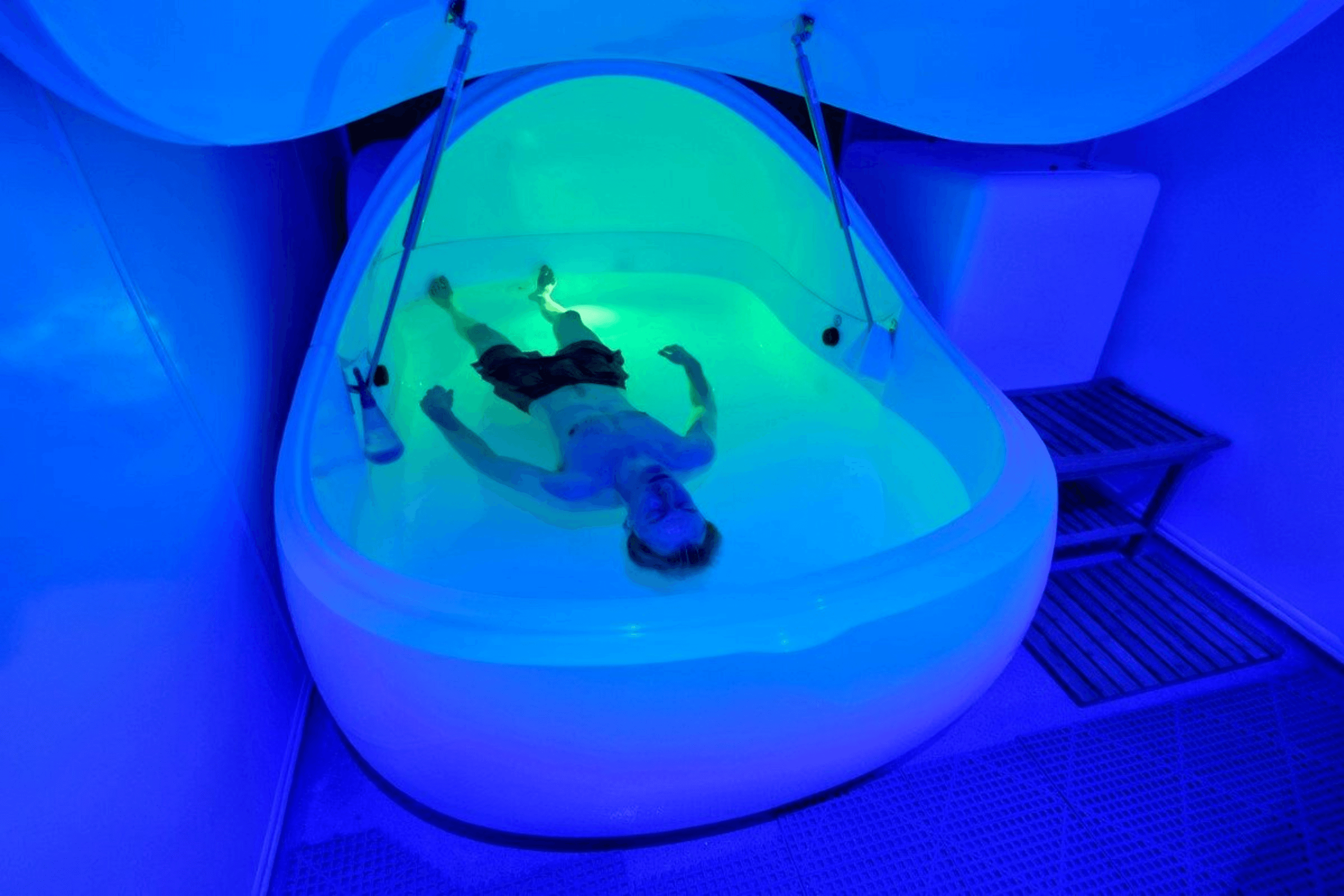
In our fast-paced world, restful sleep has become a luxury. Millions of people suffer from insomnia, restless nights, and low-quality sleep due to stress, overthinking, and an overstimulated nervous system. Fortunately, a growing number of people are turning to Float Session Therapy offers as a natural and deeply restorative solution.
By creating an environment of complete relaxation and sensory isolation, Float Session Therapy helps the body and mind achieve the calm necessary for deep, rejuvenating sleep. Let’s explore how this therapy works, the benefits of float therapy for insomnia, and why it’s being praised as one of the most effective holistic sleep aids available today.
Understanding the Connection Between Sleep and Relaxation
Sleep is your body’s way of healing, detoxifying, and resetting. However, chronic stress, digital overstimulation, and anxiety prevent many from reaching the deep REM stages necessary for true rest.
Here’s where Float Session Therapy offers something revolutionary: it allows you to disconnect from all external stimuli light, sound, and gravity so your mind can fully relax and your body can reset its natural rhythms.
What Is Float Session Therapy?
Before we understand how it helps with sleep, let’s define Float Therapy – What Is It?
A Float Therapy session involves floating effortlessly in a sensory deprivation tank, also called an isolation tank. The tank is filled with warm water mixed with high concentrations of Epsom salt (magnesium sulfate), allowing your body to float weightlessly similar to being in zero gravity.
This environment creates perfect stillness, allowing your nervous system to switch from the “fight-or-flight” mode to the “rest-and-digest” mode.
Float Session Therapy offers more than just physical rest; it provides a profound mental stillness rarely experienced in daily life.
The Science Behind Float Therapy and Sleep Quality
Scientific research has increasingly supported the health benefits of float therapy for reducing anxiety, lowering stress hormones, and improving sleep patterns.
1. Calms the Nervous System
The absence of external stimulation in sensory deprivation float therapy lowers cortisol levels, the stress hormone responsible for insomnia. With reduced cortisol, your body produces more melatonin, the hormone that regulates sleep.
2. Balances Brain Waves
During a Float Therapy session, your brain transitions from beta waves (alert and active) to theta waves (deep relaxation and dreamlike states). This mimics the early stages of sleep, helping train your mind to relax more easily at bedtime.
3. Restores Magnesium Levels
The Epsom salt used in Float Session Therapy is rich in magnesium, a mineral essential for muscle relaxation, stress reduction, and healthy sleep cycles. Absorbing magnesium through your skin helps calm the body naturally, making it easier to fall asleep.
Float Session Therapy Offers Deep Relaxation and Stress Relief
Insomnia is often a byproduct of chronic tension and overactive thoughts. The benefits of sensory deprivation float tanks lie in their ability to quiet mental chatter.
When you float:
- Your muscles relax completely.
- Your breathing slows down.
- Your heart rate stabilizes.
- Your mind enters a meditative state.
This profound stillness is one of the key float session benefits that help individuals fall asleep faster and experience deeper rest.
The Benefits of Float Therapy for Sleep and Insomnia
1. Reduces Anxiety and Stress
Stress is one of the biggest disruptors of sleep. Floating in a therapeutic sensory deprivation tank allows the body to release accumulated tension while the mind becomes calm.
The result? Lower anxiety levels and a peaceful state that carries into bedtime. Studies on Float Tank Anxiety show significant reductions in stress-related symptoms after just a few sessions.
2. Improves Sleep Duration and Quality
Regular use of Float Session Therapy offers longer, deeper sleep. Users often report that after floating, they not only fall asleep faster but also stay asleep throughout the night.
This improvement is due to the effects of float therapy on the autonomic nervous system, the system that regulates your body’s natural rhythms.
3. Enhances Mood and Emotional Balance
Depression and poor sleep often go hand in hand. Float Therapy for depression helps by increasing dopamine and endorphin levels, which improve mood and create emotional stability essential components for better sleep.
By promoting happiness hormones and reducing stress hormones, the therapy helps your mind and body synchronize for restful nights.
4. Supports Muscle and Joint Relaxation
Many people struggle to sleep due to physical discomfort or chronic pain. The weightless environment of Float Session Therapy relieves joint pressure, muscle strain, and back pain.
This makes it easier for your body to enter a restful state, one of the underrated float tank therapy benefits for insomniacs and athletes alike.
5. Improves Circadian Rhythm
Modern lifestyles disrupt the body’s internal clock. Float Session Therapy offers a way to reset your circadian rhythm by naturally lowering stress and promoting hormonal balance.
After consistent sessions, many users find they no longer need sleep aids or supplements to fall asleep.
The Psychological Benefits of Floatation Tanks
Beyond physical recovery, the benefits of float therapy extend to mental rejuvenation.
Floating enhances self-awareness, mindfulness, and emotional regulation. People suffering from burnout, anxiety, and overthinking find it especially effective.
The purpose of a sensory deprivation tank is to provide a controlled space where your mind can disconnect from distractions allowing you to experience true mental silence.
With repeated use, this practice rewires your brain to relax more efficiently, making float therapy for relaxation an essential tool in managing long-term sleep issues.
Health Benefits of Float Therapy Beyond Sleep
While improving sleep quality is one of the most well-known outcomes, the health benefits of float therapy extend to many other aspects of wellness:
- Pain Relief: Reduces tension headaches, arthritis pain, and muscle soreness.
- Immune Boost: Floating enhances lymphatic circulation, helping your body fight fatigue and illness.
- Mental Clarity: Improved focus and memory retention are among the major effects of float therapy.
- Faster Recovery: Many athletes use isolation tank therapy to accelerate muscle recovery and reduce inflammation.
Each of these contributes indirectly to better sleep by promoting overall balance and relaxation.
Creating a Consistent Float Routine for Better Sleep
If you’re using Float Session Therapy offers for insomnia, consistency is key.
Here’s a simple guide:
- Frequency: Float at least once a week for the first month, then every 2–3 weeks to maintain results.
- Timing: Try floating in the evening to align with your natural wind-down period.
- Post-Session Practice: Avoid screens and caffeine after your float to prolong relaxation.
- Combine with Mindfulness: Breathing exercises or meditation after your float can deepen your calm.
Over time, your body learns to associate the floating experience with deep rest — making it easier to fall asleep naturally.
The Science Behind Float Therapy and REM Sleep
The science behind float therapy shows that regular sessions help increase the time spent in restorative REM sleep.
During REM, your brain processes emotions, memories, and stress crucial for emotional balance and cognitive health.
By promoting theta and delta brain wave states, float deprivation tank benefits include faster access to these restorative sleep cycles.
Frequently Asked Questions (FAQ)
How does Float Session Therapy help with insomnia?
It helps by calming the nervous system, reducing cortisol, and promoting natural melatonin production all essential for restful sleep.
How often should I float for better sleep?
For chronic insomnia, begin with weekly sessions for a month, then biweekly to maintain consistent results.
Can Float Session Therapy replace sleep medication?
While it’s not a medical substitute, many people find they can reduce or eliminate sleep aids after consistent Float Session Therapy offers.
Are there side effects of floating?
No. Floating is entirely safe and non-invasive. Most users experience only relaxation and mild euphoria after a session.
Does floating help with anxiety and depression?
Yes, studies show significant improvements in mood and stress reduction. Float Therapy for depression and float tank anxiety relief are well-documented benefits.
Is it safe to fall asleep inside the float tank?
Absolutely. Many users drift into light sleep during their float therapy session. The water supports you completely, keeping you safe and comfortable.
Conclusion: Why Float Session Therapy Is a Natural Sleep Solution
In a world full of noise, Float Session Therapy offers the rare gift of silence and in that silence, the body finds healing.
By relieving stress, balancing hormones, easing pain, and restoring natural sleep patterns, it provides a gentle, natural approach to overcoming insomnia.
The benefits of sensory deprivation float tanks go far beyond sleep; they help you reconnect with your body, calm your mind, and rediscover deep, restful peace.
So, if you’ve been struggling with restless nights, it’s time to experience the soothing power of Float Session Therapy. Your journey toward better sleep starts with a single float.






![[Quasi-drug] Bath Salt, Lemon Scent, 21.3 oz (600](https://m.media-amazon.com/images/I/716ZNtnKM-L._AC_UL320_.jpg)