

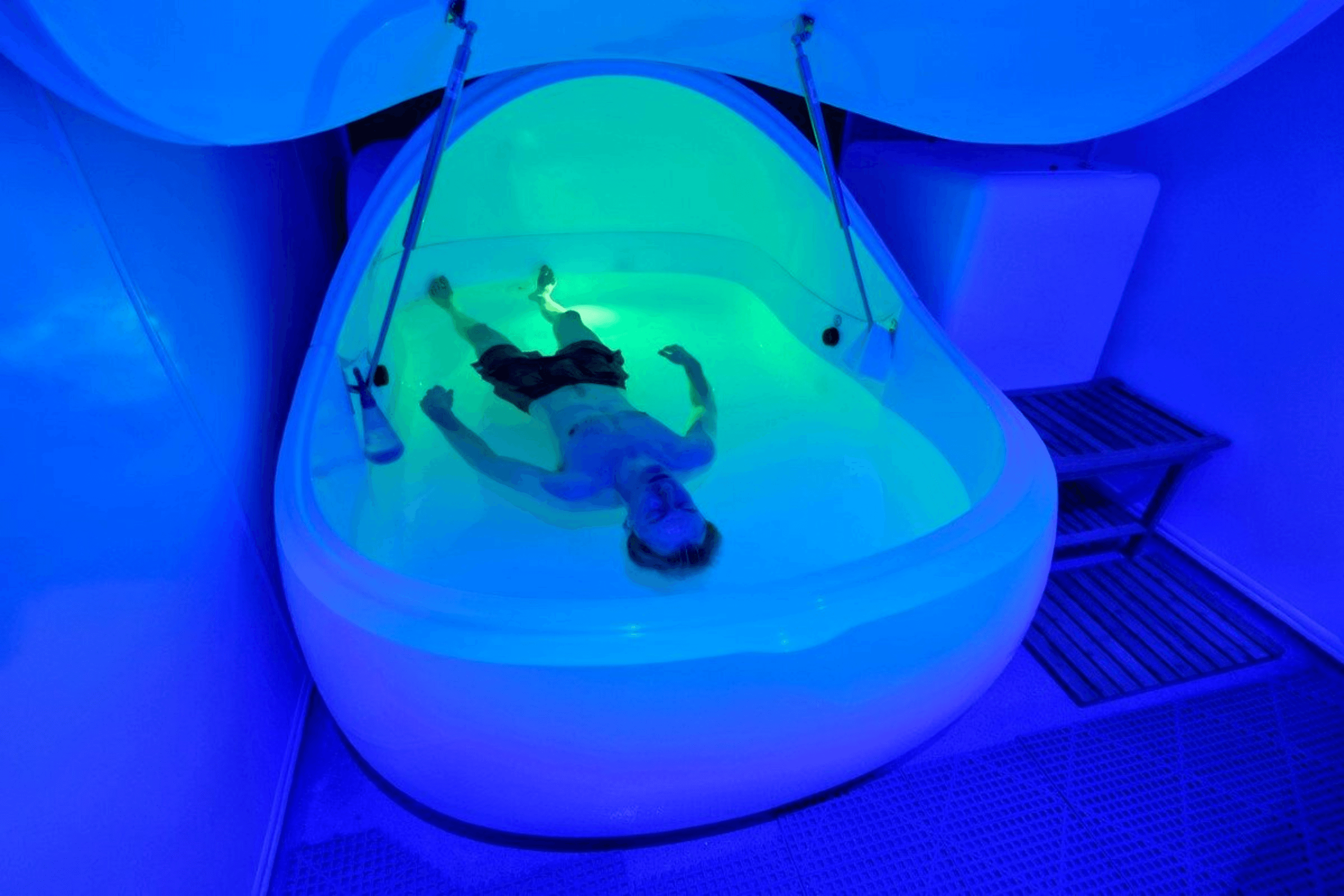
In recent years, Float Session Therapy has gained significant attention as a powerful tool for mental, physical, and emotional healing. But why is Float Session Therapy considered a holistic healing method? What are the underlying mechanisms and effects of Float Therapy that make it so beneficial? This article dives deep into the science behind Float Therapy, the many health benefits of Float Therapy, and why this practice is much more than just relaxation.
What Is Float Therapy?
Float Therapy What Is It? At its core, float therapy involves immersing yourself in a sensory deprivation float tank, a dark, quiet pod filled with highly salted water heated to skin temperature. This environment minimizes sensory input, allowing your mind and body to enter a deeply relaxed state. Often called Isolation Tank Therapy or Sensory Deprivation Float Therapy, the experience is designed to promote deep relaxation and self-healing.
The Purpose of Sensory Deprivation Tank and Holistic Healing
The purpose of sensory deprivation tank sessions is to reduce external stimuli to the bare minimum. This enables a meditative state where the mind can rest and rejuvenate. The holistic nature of Float Session Therapy lies in its ability to impact multiple aspects of health simultaneously:
- Physical: Muscle relaxation, pain reduction, improved circulation
- Mental: Stress relief, anxiety reduction, enhanced mood
- Emotional: Heightened mindfulness, emotional balance
Because it addresses the mind and body together, float therapy for relaxation and healing fits perfectly into the holistic healing model.
The Science Behind Float Therapy
Numerous studies highlight the science behind float therapy, showing its effectiveness in triggering the body’s natural healing mechanisms. When floating, the body experiences:
- Reduced cortisol (stress hormone) levels
- Increased endorphin production
- Enhanced dopamine and serotonin release
These biochemical changes explain many of the float session benefits, including improvements in mood, stress resilience, and even relief from depression and anxiety symptoms.
Benefits of Float Therapy
Physical Benefits
The benefits of float therapy for the body are wide-ranging. The buoyancy of the highly concentrated saltwater takes pressure off joints and muscles, providing relief from chronic pain, arthritis, and muscle soreness. This is why many athletes use float therapy session as part of their recovery routines.
Additionally, floating promotes better blood flow and lowers blood pressure, contributing to cardiovascular health. The overall float deprivation tank benefits include improved sleep quality, which supports the body’s natural repair processes.
Mental and Emotional Benefits
The psychological advantages of floating are equally impressive. By blocking out external distractions, your brain can shift into alpha and theta states associated with deep meditation. This results in:
- Reduced anxiety (float tank anxiety relief)
- Decreased symptoms of depression (float therapy for depression)
- Improved mental clarity and focus
The benefits of sensory deprivation float tanks also include enhanced creativity and problem-solving skills, making it a valuable tool for personal growth.
Why Is Float Session Therapy Holistic?
Because float session therapy impacts physical, mental, and emotional wellbeing, it is inherently holistic. Unlike treatments that target only symptoms, it fosters overall balance and harmony. For example, floating doesn’t just alleviate muscle pain—it also reduces mental stress that can exacerbate physical conditions. This comprehensive approach embodies the true essence of holistic healing.
Additional Float Tank Therapy Benefits
- Detoxification: Floating stimulates lymphatic drainage, helping remove toxins.
- Immune Support: Reduced stress supports immune function.
- Enhanced Meditation: The environment aids in mindfulness and spiritual growth.
Addressing Common Questions About Float Therapy
How Long Does a Typical Float Therapy Session Last?
Most sessions last between 60 and 90 minutes, allowing enough time to experience deep relaxation and the full float session benefits.
Is Float Therapy Safe for Everyone?
Float therapy is generally safe for most people. However, those with severe skin conditions, epilepsy, or claustrophobia should consult a healthcare professional before trying it.
How Often Should You Do Float Therapy?
Consistency enhances results. Weekly or biweekly sessions are recommended to maximize the health benefits of float therapy.
What Are the Effects of Float Therapy on Depression and Anxiety?
Studies show significant improvements in mood disorders after float therapy sessions. The calming effect on the nervous system combined with hormonal balance contributes to the float therapy for depression benefits and helps alleviate float tank anxiety symptoms.
The Role of Sensory Deprivation in Healing
Sensory deprivation reduces stimulation overload, allowing your nervous system to reset. This phenomenon explains the benefits of floatation tanks and why many users report feeling refreshed and mentally clear after sessions.
How Does Float Therapy Promote Relaxation?
By isolating you from external sensory input, your body naturally enters a state of parasympathetic dominance known as the “rest and digest” mode. This shift promotes deep relaxation and healing, which is the foundation of the float therapy session experience.
Frequently Asked Questions (FAQ)
1. What Are the Main Benefits of Float Therapy?
The main benefits include stress reduction, pain relief, improved sleep, enhanced mental clarity, and support for emotional wellbeing.
2. How Does Float Therapy Compare to Meditation?
While both induce relaxation, sensory deprivation float therapy creates an environment that makes meditation easier by removing distractions, potentially deepening the meditative experience.
3. Can Float Therapy Help With Chronic Pain?
Yes. The buoyancy reduces pressure on joints, and the relaxation response decreases muscle tension and inflammation.
4. What Should I Expect During My First Float Session?
You will float in a dark, quiet tank filled with warm saltwater. Many feel initial relaxation followed by deep mental calm and sometimes even altered states of consciousness.
5. Are There Any Side Effects of Float Therapy?
Side effects are rare but can include mild dizziness or anxiety, especially for first-timers. These usually subside quickly.
6. How Does Float Therapy Help With Anxiety?
By lowering cortisol levels and calming the nervous system, float tank anxiety symptoms can significantly decrease after sessions.
7. What Is the Science Behind Float Therapy’s Effectiveness?
Research shows changes in brainwave patterns, hormone levels, and autonomic nervous system balance that promote healing.
8. How Often Should I Float for Best Results?
Regular sessions, such as weekly or biweekly, provide cumulative float session benefits.
9. Is Float Therapy Suitable for Athletes?
Absolutely. Many athletes use float therapy sessions for muscle recovery and mental focus enhancement.
10. What Makes Float Therapy Different From Other Relaxation Techniques?
Its combination of sensory deprivation, buoyancy, and controlled environment creates a unique experience unmatched by other methods.
Conclusion
Float Session Therapy is more than a relaxation technique it’s a holistic healing practice addressing the body, mind, and spirit. The extensive benefits of float therapy range from physical relief to profound mental and emotional wellbeing. Supported by solid scientific research, the effects of float therapy make it an ideal choice for anyone seeking comprehensive health improvements.
If you’re ready to experience the transformative power of sensory deprivation float therapy, booking your first float therapy session could be the first step toward a healthier, balanced life.






![[Quasi-drug] Bath Salt, Lemon Scent, 21.3 oz (600](https://m.media-amazon.com/images/I/716ZNtnKM-L._AC_UL320_.jpg)