
When it comes to finding effective ways to relax, reduce stress, and boost mental clarity, two popular practices often come up: Float Session Therapy and traditional meditation. Both offer profound benefits but work in different ways and provide distinct experiences. In this comprehensive blog, we’ll explore what Float Therapy is, compare it to meditation, and dive deep into the benefits of float therapy versus those of meditation.
What Is Float Therapy?
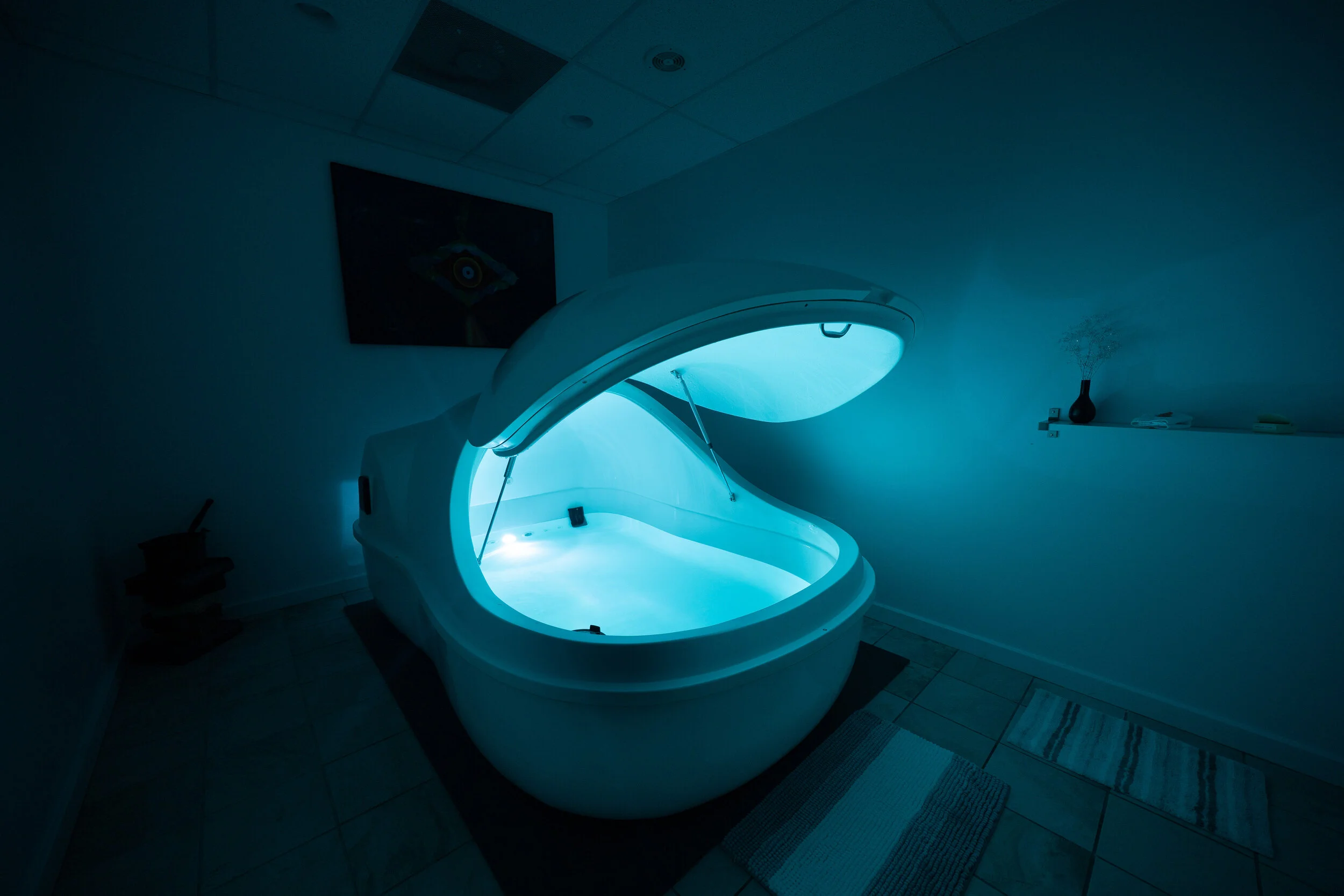
Float Therapy, also known as Sensory Deprivation Float Therapy or Isolation Tank Therapy, involves spending time in a specialized tank filled with highly salted water, allowing you to float effortlessly. The tank is designed to minimize sensory input on light, sound, or touch creating a unique environment where the mind and body can enter a deeply relaxed state.
The purpose of sensory deprivation tank is to reduce external stimuli so your brain can reset, promoting relaxation, mental clarity, and healing. During a float therapy session, you experience weightlessness and sensory isolation, which offers numerous health benefits of float therapy, including reduced anxiety, pain relief, and improved sleep.
What Is Traditional Meditation?
Traditional meditation, on the other hand, is a mental exercise practiced in various forms worldwide for thousands of years. Meditation generally involves focusing the mind, regulating breathing, and achieving a calm, mindful state without the use of special equipment. Whether seated in silence, using guided techniques, or engaging in breathing exercises, meditation aims to reduce stress and increase mindfulness.
Float Session Therapy vs. Traditional Meditation: Key Differences
1. Environment & Sensory Input
One of the biggest distinctions between float session therapy and traditional meditation is the environment.
- Float Therapy takes place inside a sensory deprivation float tank. The environment removes almost all external stimuli, which enhances the relaxation experience.
- Traditional meditation typically happens in a normal environment, often with some ambient noise or light. Practitioners learn to quiet the mind despite sensory distractions.
2. Physical Sensation
- Float therapy sessions offer the unique sensation of effortless floating due to the high concentration of Epsom salts in the water. This feeling of weightlessness is not present in traditional meditation.
- In contrast, traditional meditation involves sitting or lying still without any floating or physical support.
3. Duration and Guidance
- A float therapy session usually lasts about 60 to 90 minutes, during which the user remains in the tank undisturbed.
- Meditation sessions can vary from a few minutes to hours and often require active mental focus or guidance through apps or teachers.
4. Depth of Sensory Deprivation
- The benefits of sensory deprivation float tanks stem from the deep sensory isolation, which is not achievable in typical meditation settings.
- Meditation relies on the practitioner’s ability to quiet the mind, which can take years of practice, whereas float therapy provides an immediate sensory reduction.
The Science Behind Float Therapy
There is a growing body of research illuminating the science behind float therapy. Studies show that float therapy for relaxation reduces cortisol (the stress hormone), lowers blood pressure, and boosts endorphin production, contributing to enhanced mood and wellbeing.
In comparison, meditation also positively affects brain structure and function, but float therapy’s unique sensory deprivation leads to an altered state of consciousness that some users find deeper and more restorative.
Health Benefits of Float Therapy
Now, let’s dive into the float session benefits and how they compare to those from meditation.
- Stress and Anxiety Relief: Both practices reduce stress, but float tank anxiety studies show that floating significantly lowers anxiety levels by promoting deep physical and mental relaxation.
- Pain Management: Float tank therapy benefits include relief from chronic pain conditions by reducing muscle tension and promoting natural endorphin release.
- Improved Sleep: The effects of float therapy include better sleep quality, which is often harder to achieve through meditation alone.
- Mental Clarity and Creativity: Both help boost mental clarity, but many report enhanced creativity following a float therapy session due to the deep relaxation achieved.
- Emotional Healing: Float therapy for depression is gaining attention as a complementary treatment due to its calming, mood-enhancing effects.
- Physical Recovery: Athletes and fitness enthusiasts use float tanks for quicker muscle recovery, a benefit not typically associated with meditation.
Benefits of Floatation Tanks vs. Meditation
| Benefit | Float Session Therapy | Traditional Meditation |
| Sensory Isolation | High (via sensory deprivation float therapy) | Low, practitioner controls sensory input |
| Physical Relaxation | Deep, due to weightlessness in salt water | Physical relaxation through mental focus |
| Ease of Use | Immediate sensory relief | Requires mental discipline and practice |
| Stress Reduction | Significant, backed by studies | Effective but gradual with practice |
| Pain Relief | Effective for chronic and acute pain | Some relief via mindfulness |
| Sleep Improvement | Proven benefits | Benefits reported but varies |
| Anxiety and Depression Help | Shown effective (float tank anxiety, float therapy for depression) | Effective in some cases |
| Creativity Boost | Enhanced due to altered consciousness | Some improvement through mindfulness |
What Happens During a Float Therapy Session?
During your float therapy session, you enter the tank, settle into the buoyant water, and experience a tranquil environment free from light, sound, and touch. This leads to a state of profound relaxation. Many users report sensations of calmness, mental clarity, and relief from tension almost immediately.
Why Choose Float Therapy Over Meditation?
While both practices can complement each other, you might prefer float session therapy if you want:
- An effortless entry into deep relaxation.
- Physical relief alongside mental benefits.
- A break from external stimuli without needing mental training.
- Fast, measurable health benefits such as lowered anxiety and improved sleep.
Combining Float Therapy with Meditation
Some enthusiasts combine both for maximum effect: meditating before or after a float session can deepen mindfulness and prolong relaxation benefits.
FAQ: Float Session Therapy vs Traditional Meditation
1. What is the main difference between float session therapy and traditional meditation?
Float therapy involves physical sensory deprivation in a tank to promote relaxation, while meditation relies on mental focus without special equipment.
2. Are the health benefits of float therapy better than meditation?
Both offer unique benefits. Float therapy provides rapid physical and mental relaxation, especially for anxiety, pain, and sleep, while meditation enhances mindfulness and emotional regulation over time.
3. How long does a typical float session last?
Usually between 60 to 90 minutes.
4. Is float therapy safe for everyone?
Yes, but people with certain medical conditions should consult their doctor first.
5. Can float therapy help with anxiety and depression?
Yes, float tank anxiety studies and float therapy for depression research show promising results.
6. How often should I do float therapy?
Many recommend weekly sessions to enjoy ongoing benefits of float therapy.
7. Does float therapy improve sleep?
Yes, many users experience better sleep following a float therapy session.
8. Can beginners meditate inside the float tank?
Absolutely, some combine sensory deprivation float therapy with meditation for enhanced effects.
9. Are there side effects of float therapy?
Most people feel relaxed with no adverse effects, though first-timers may feel disoriented briefly.
10. How do float therapy and isolation tank therapy relate?
They are essentially the same; isolation tank therapy is another name for sensory deprivation float therapy.
Conclusion
Both float session therapy and traditional meditation offer incredible tools for enhancing mental and physical health. The choice depends on your personal preference and goals. If you want immediate sensory relief and physical relaxation, a float therapy session might be ideal. If you prefer a mental discipline and mindfulness practice, meditation is perfect. Or combine both to unlock the full spectrum of wellness benefits!
Ready to try? Explore float therapy session options today and experience the transformative benefits of float therapy for yourself.





![[Quasi-drug] Bath Salt, Lemon Scent, 21.3 oz (600](https://m.media-amazon.com/images/I/716ZNtnKM-L._AC_UL320_.jpg)