In today’s fast-paced world, stress has become an inevitable part of our lives. Many individuals turn to meditation as a tool to combat anxiety and achieve relaxation. While meditation has proven benefits, Float Session Therapy offers a unique approach that may provide deeper and faster stress relief. But why is that? Let’s explore.
What is Float Session Therapy?
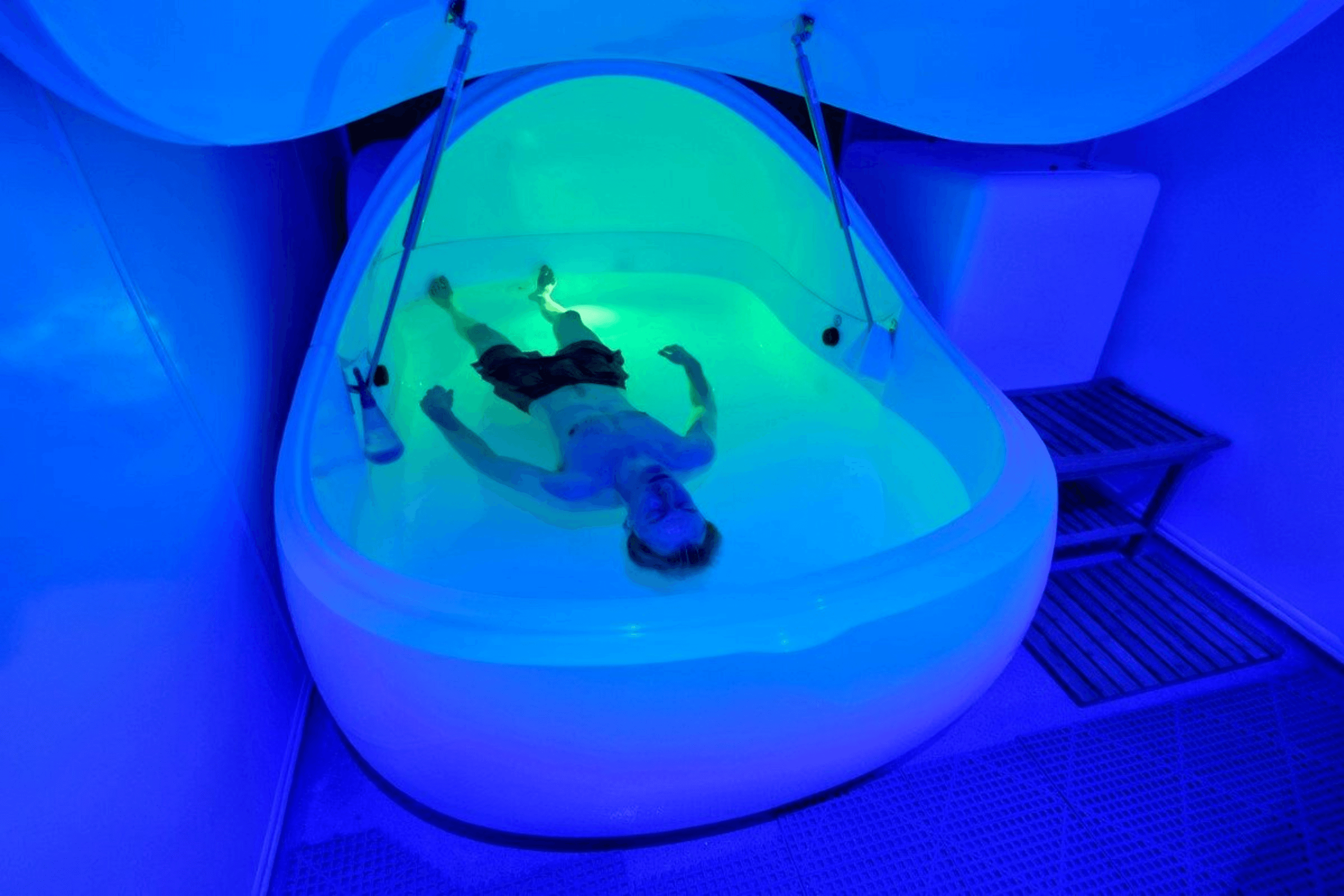
Float Session Therapy, also known as float therapy or sensory deprivation float therapy, is a wellness practice where an individual floats in a tank filled with water and Epsom salts. The water is heated to skin temperature, creating a sensation of weightlessness. The tank blocks out external stimuli, allowing the mind and body to enter a deeply relaxed state.
People often ask, “Float Therapy, what is it?” Simply put, it’s a method of achieving profound relaxation, alleviating stress, and enhancing overall well-being by isolating yourself from external distractions.
How Does Float Session Therapy Differ from Meditation?
While meditation focuses on mental exercises such as breathing techniques or mindfulness, Float Session Therapy offers a multisensory approach:
- Physical Isolation: In a sensory deprivation float tank, there is no light, sound, or tactile interference.
- Weightless Environment: Floating in a float deprivation tank reduces muscle tension and promotes deeper physical relaxation.
- Immediate Stress Relief: Unlike meditation, which requires practice to achieve a calm state, float session therapy can induce relaxation almost instantly.
The Science Behind Float Therapy
The science behind float therapy suggests that floating triggers a parasympathetic nervous system response, which lowers cortisol levels and promotes mental clarity. Research also shows that float tank therapy benefits include reduced anxiety, improved mood, and enhanced focus.
Studies comparing float therapy for relaxation to meditation indicate that while meditation affects primarily the mind, isolation tank therapy targets both mental and physical stress, making it potentially more effective for acute stress relief.
Key Benefits of Float Session Therapy
Here’s why many consider float therapy superior to meditation for stress relief:
1. Deep Muscle Relaxation
The high concentration of Epsom salts in float tanks supports the body and relieves pressure on joints and muscles. This results in float session benefits such as reduced tension and faster recovery after physical activity.
2. Enhanced Mental Clarity
When practicing float therapy, sensory deprivation allows the brain to enter a state of deep relaxation, similar to REM sleep. Users report enhanced creativity and problem-solving skills after a float therapy session.
3. Stress and Anxiety Reduction
Float tank anxiety studies suggest that individuals experience significant reductions in stress and anxiety after multiple sessions. Meditation can help, but the benefits of sensory deprivation float tanks often occur faster and more profoundly.
4. Pain Relief
Float deprivation tank benefits include relief from chronic pain conditions such as arthritis and fibromyalgia. Meditation does not directly alleviate physical pain, giving float therapy sessions an added advantage.
5. Improved Sleep Patterns
Many people struggle with insomnia or poor sleep quality. The relaxation induced by isolation tank therapy can improve sleep patterns, making it a compelling alternative to meditation for those seeking better rest.
Comprehensive List of Health Benefits of Float Therapy
- Float Therapy for Depression: Regular sessions can improve mood and reduce depressive symptoms.
- Benefits of Floatation Tanks: Includes lower stress hormones, reduced anxiety, and enhanced mental clarity.
- Float Tank Therapy Benefits: Pain relief, improved sleep, and heightened relaxation.
- Effects of Float Therapy: Includes a combination of mental and physical relaxation, improved circulation, and reduced inflammation.
- Float Therapy for Relaxation: Encourages a meditative state naturally, without effort.
Why Float Session Therapy Might Be More Effective Than Meditation
While meditation offers excellent mental health benefits, float session therapy combines both physical and mental wellness advantages. The sensory deprivation experience accelerates the brain’s relaxation response, while the weightless environment allows the body to fully unwind.
Key differences include:
- Meditation requires practice and consistency; float therapy session provides immediate stress relief.
- Meditation focuses mainly on mental relaxation; sensory deprivation float therapy addresses both body and mind.
- Meditation may not alleviate physical pain, whereas float tank therapy benefits include muscle and joint relief.
Purpose of Sensory Deprivation Tank
The purpose of sensory deprivation tank is to create an environment devoid of external stimuli. This promotes a deep meditative state and allows the body to self-heal. Users often experience benefits of float therapy such as mental clarity, emotional balance, and reduced physical tension.
How Often Should You Try Float Session Therapy?
To achieve maximum float session benefits, many wellness experts recommend 1–2 sessions per week. Consistent sessions enhance health benefits of float therapy, including reduced stress, improved sleep, and decreased anxiety.
Frequently Asked Questions (FAQs)
Q1: How long is a typical float therapy session?
A: Most float therapy sessions last 60–90 minutes, providing ample time to experience float deprivation tank benefits fully.
Q2: Is float therapy safe?
A: Yes, isolation tank therapy is safe for most individuals. People with certain medical conditions should consult a doctor before starting float session therapy.
Q3: Can float therapy help with depression?
A: Absolutely. Float therapy for depression has shown promising results in reducing symptoms and enhancing emotional well-being.
Q4: How does float therapy reduce anxiety?
A: Float tank anxiety is reduced by minimizing sensory input, which lowers cortisol levels and activates the parasympathetic nervous system.
Q5: Can float therapy improve creativity?
A: Yes, many users report enhanced problem-solving abilities and creative thinking after float therapy sessions.
Q6: How is float therapy different from meditation?
A: While meditation trains the mind to relax, float therapy sessions combine physical relaxation with mental stillness, offering faster and more holistic stress relief.
Conclusion
In the battle against stress and anxiety, float session therapy emerges as a compelling alternative or complement to meditation. With its combination of benefits of float therapy, including physical relaxation, mental clarity, and emotional well-being, it provides a holistic approach to stress management.
Whether you’re seeking relief from anxiety, chronic pain, or poor sleep, or simply want to experience deep relaxation, a float therapy session might just be the breakthrough you need. From the science behind float therapy to the benefits of sensory deprivation float tanks, the evidence points to a powerful tool for achieving wellness.
Explore float therapy today and discover why so many are calling it the ultimate stress relief solution.





![[Quasi-drug] Bath Salt, Lemon Scent, 21.3 oz (600](https://m.media-amazon.com/images/I/716ZNtnKM-L._AC_UL320_.jpg)