
In a world constantly buzzing with notifications, emails, and digital overload, the need for a true escape is more vital than ever. Enter Float Session Therapy, also known as sensory deprivation float therapy, a modern solution to a very modern problem.
But why is it now widely recognized as a digital detox for both the mind and body? Let’s dive into the science behind float therapy, the health benefits of float therapy, and explore what makes the experience so unique, healing, and timely.
What Is Float Session Therapy?
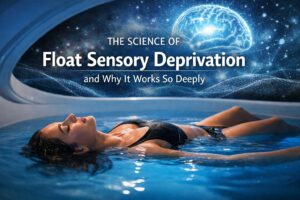
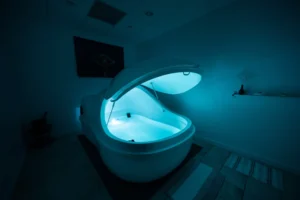
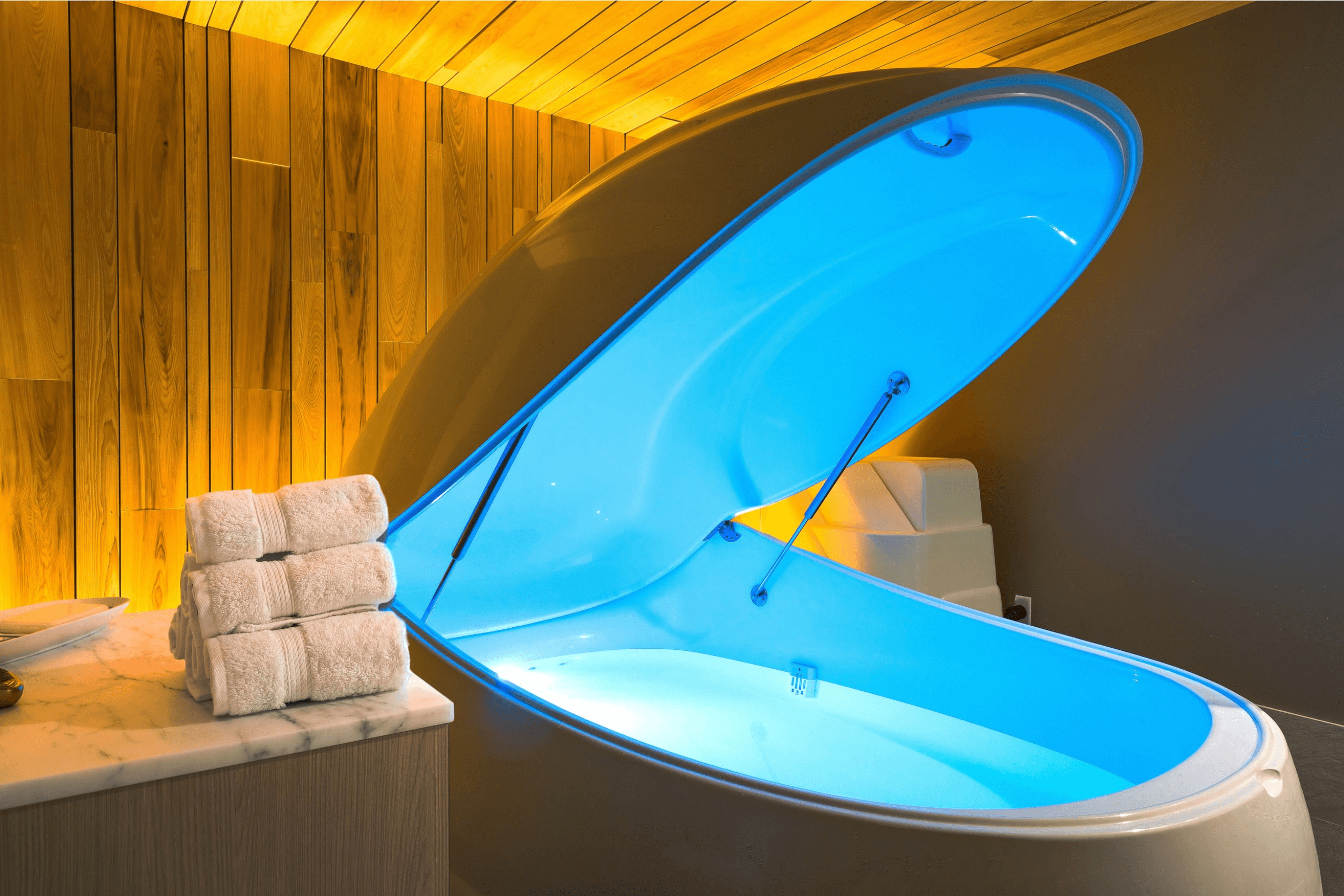
Float Session Therapy, or isolation tank therapy, involves lying in a sensory deprivation float tank, a lightless, soundproof pod filled with warm water saturated with Epsom salt (magnesium sulfate). This water allows the body to float effortlessly, creating a near-zero gravity experience.
Also known as a floatation tank or float therapy session, this technique limits external stimuli, no screens, no noise, no stress.
Float Therapy: What Is It? It’s essentially a return to stillness, where you experience physical weightlessness and deep mental quiet.
The Effects of Float Therapy on a Digitally Overstimulated Brain
We’re exposed to more stimuli in one day than our ancestors experienced in a lifetime. Screens emit blue light that disrupts sleep. Constant connectivity keeps us in a heightened state of stress. The effects of float therapy help reset the nervous system, shifting from a fight-or-flight state to a rest-and-digest mode.
This shift is the core reason why float session therapy acts as a digital detox. During a float therapy session, your brain experiences reduced sensory input, encouraging a state of deep theta brainwaves the same state accessed during meditation or just before sleep.
Float Session Benefits for Mental Clarity and Relaxation
One of the major benefits of float therapy is its ability to reset mental fatigue and restore clarity. With all distractions removed, the brain enters a highly creative, restful state. This not only reduces stress but also enhances problem-solving skills, intuition, and emotional regulation.
Float tank therapy benefits include:
- Reduced cortisol (stress hormone)
- Improved mood and emotional stability
- Better focus and reduced brain fog
- Enhanced sleep quality
No phone, no tasks, no expectations just you and your thoughts in a deeply restorative space
Float Therapy for Depression and Anxiety Relief
Numerous studies support the use of float therapy for depression and float tank anxiety treatment. Clinical trials have shown reductions in symptoms of anxiety, PTSD, and mood disorders after multiple float sessions.
How does it work? Floatation encourages the release of dopamine and endorphins—your brain’s natural “happy chemicals” without the overstimulation caused by social media or digital devices.
The Physical Health Benefits of Float Therapy
Beyond the mental, there are many health benefits of float therapy, especially in relieving muscular tension, pain, and fatigue. Because your body is floating in a gravity-free environment, pressure on joints and muscles is relieved, promoting faster recovery.
Key physical Float Session Benefits include:
- Decreased inflammation
- Relief from chronic pain
- Improved blood circulation
- Magnesium absorption via skin (essential for over 300 biochemical functions in the body)
Whether you’re an athlete or someone dealing with chronic tension, float therapy session results speak for themselves.
Benefits of Sensory Deprivation Float Tanks
Sensory deprivation float therapy isn’t just about shutting off external stimuli; it’s about tuning into your own internal rhythms. Many users report heightened body awareness, enhanced breathing patterns, and even mild hallucinations during deeper float states.
The purpose of sensory deprivation tank use is to offer the kind of deep mental rest that’s hard to access elsewhere even in sleep. In fact, one 60-minute float session is often compared to 4–6 hours of deep sleep.
Why Float Session Therapy Is the Ideal Digital Detox
Let’s break down the main reasons:
- Total Disconnection
In the tank, there are no screens, no buzzes, no beeps. It’s a true offline experience rare in today’s world. - Neurological Reset
Floatation allows the brain to “reboot” by decreasing sensory overload and balancing neurotransmitters. - Mind-Body Realignment
By floating, you allow your mind and body to sync, improving both mental and physical health. - Emotional Grounding
Float therapy offers a space to process thoughts without judgment or interference, making it an emotional detox as well.
In essence, float session therapy mimics what our bodies crave: stillness, quiet, and disconnection from the digital chaos.
Float Therapy for Relaxation and Stress Recovery
One of the best float tank therapy benefits is deep relaxation. Whether you’re a busy parent, a stressed student, or a burned-out executive, the benefits of floatation tanks are universal.
The calming effects extend long after the session, improving mood and lowering the body’s overall stress response.
The Science Behind Float Therapy
Many ask about the science behind float therapy, and it’s truly compelling:
- Neuroscience shows sensory deprivation can trigger theta waves, associated with deep meditation.
- Magnesium plays a key role in regulating nervous system responses.
- Psychological studies demonstrate consistent mood improvements after regular floatation.
Researchers are continually discovering new float deprivation tank benefits for various populations from veterans to creatives to people with chronic conditions.
FAQs About Float Session Therapy as a Digital Detox
1. What should I expect during my first float therapy session?
Expect to float in a dark, quiet pod filled with warm saltwater. You’ll lie still for 60–90 minutes, allowing your mind to fully unwind.
2. How often should I use float therapy for best results?
To experience the full benefits of float therapy, 1–2 sessions per week is ideal. For chronic stress or anxiety, more frequent sessions may help.
3. Can float therapy really help with anxiety and depression?
Yes. Studies show float therapy for depression and anxiety significantly reduces symptoms after just a few sessions.
4. Is float session therapy safe?
Yes, it’s non-invasive, drug-free, and suitable for most people. However, consult your doctor if you have epilepsy, open wounds, or severe skin conditions.
5. Can I use float therapy instead of screen detox programs?
Absolutely. Many people find float therapy session experiences more powerful than traditional digital detox retreats.
6. What if I’m claustrophobic?
Most tanks are spacious and well-ventilated. You can leave the door open and control lighting to ease into the experience.
Conclusion: Embrace the Silence, Escape the Screens
In a time when being connected is a 24/7 reality, true disconnection has become a luxury and a necessity. Float session therapy offers a profound digital detox, unlike anything else. It provides deep mental clarity, physical healing, and emotional rebalancing, all while removing you from the noise of modern life.
Whether you’re seeking relaxation, healing from anxiety, or just a break from digital fatigue, the benefits of float therapy are clear, science-backed, and increasingly essential.
So the next time you feel overwhelmed by screens, try floating, not scrolling.