
In today’s fast-paced world, stress, anxiety, and mental fatigue have become almost universal experiences. While many people turn to meditation to quiet their minds, combining this practice with Float Session Therapy can amplify the benefits exponentially. From profound relaxation to enhanced mental clarity, the union of meditation and Float Session Therapy Offers provides a holistic approach to both mental and physical wellness.
In this article, we will explore the benefits of float therapy, the science behind float therapy, and why integrating meditation into a float therapy session can transform your overall well-being.
What Is Float Session Therapy?
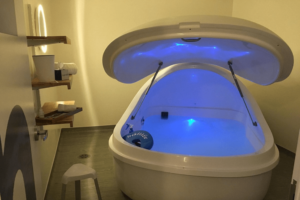
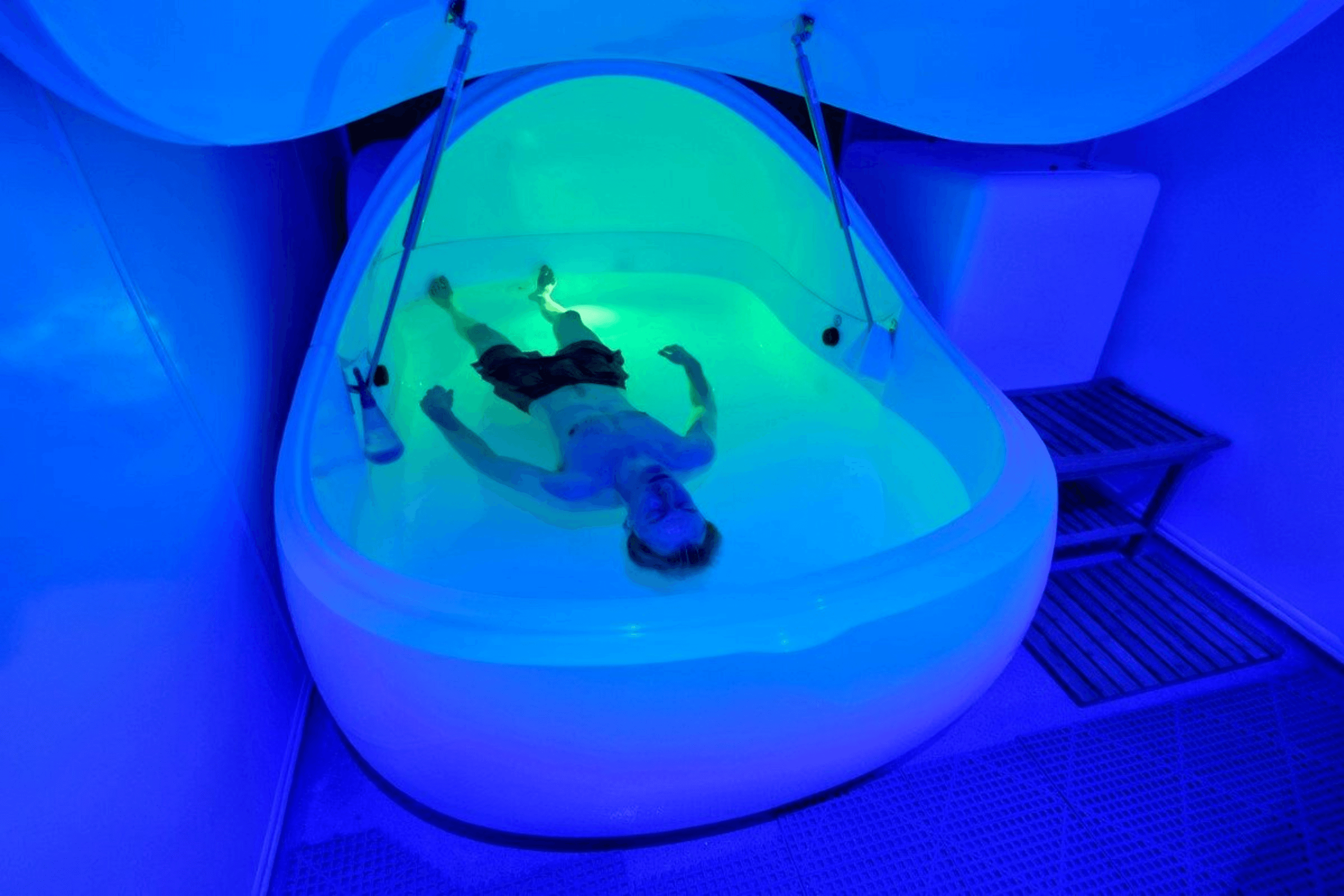
Before diving into the synergy between meditation and float session therapy, it’s essential to understand what float therapy is. Float Session Therapy involves lying in a specially designed tank filled with saltwater, heated to skin temperature, allowing your body to float effortlessly. This practice is also called sensory deprivation float therapy or isolation tank therapy, as it minimizes external stimuli including sound, light, and gravity.
The purpose of the sensory deprivation tank is to create an environment where your mind and body can experience deep relaxation, free from distractions. During a float therapy session, you can meditate, focus on breathing, or simply allow your mind to rest, resulting in profound physical and mental benefits.
The Science Behind Float Therapy
Understanding the science behind float therapy helps explain why it pairs so well with meditation. Research shows that float therapy for relaxation and float session therapy can:
- Reduce cortisol levels, the stress hormone.
- Improve blood circulation and promote muscle recovery.
- Enhance mood and alleviate symptoms of anxiety and depression.
Studies on the health benefits of float therapy demonstrate improvements in mental clarity, emotional stability, and overall well-being. Combining meditation during a float therapy session enhances these effects by focusing your mind, increasing mindfulness, and promoting a sense of inner calm.
Benefits of Combining Meditation With Float Session Therapy
1. Enhanced Relaxation
Float therapy for relaxation alone induces a deep state of calm. When paired with meditation, the relaxation effect intensifies. By practicing mindful breathing or guided meditation during a float therapy session, you can reduce mental chatter and reach states of deep serenity faster.
The benefits of float therapy for stress reduction are well-documented, and adding meditation allows you to sustain these effects long after the session ends. Float deprivation tank benefits include improved sleep, reduced tension, and an overall feeling of rejuvenation.
2. Amplified Mental Clarity
During a float therapy session, sensory distractions are minimized, allowing the mind to focus internally. Meditation further enhances this by training attention and awareness. Together, they improve focus, creativity, and problem-solving skills.
Many users report that float session therapy benefits extend into their daily lives, making them more productive and emotionally balanced. The combination of meditation and floating optimizes brain function and promotes mental resilience.
3. Emotional Balance and Stress Reduction
Float therapy for depression and float tank anxiety are common reasons people try floatation. By combining meditation, these effects are magnified. Meditation promotes emotional regulation, while benefits of floatation tanks support the reduction of anxiety and depressive symptoms.
Scientific evidence shows that isolation tank therapy can lower stress markers, and incorporating meditation helps train the brain to maintain this calm, even in everyday stressful situations.
4. Physical Recovery and Pain Relief
Meditation during float session therapy is not just good for the mind it supports physical wellness as well. Infrared sauna therapy and other relaxation therapies have shown that calming the mind aids in physical recovery. Similarly, float therapy for relaxation helps reduce muscle tension, and float tank therapy benefits include pain relief, faster healing, and improved flexibility.
Athletes and individuals with chronic pain have reported that a float therapy session combined with mindfulness practices accelerates recovery while reducing reliance on medication.
5. Deepened Meditation Experience
For those already practicing meditation, a float therapy session can deepen the experience. The lack of external stimuli in a sensory deprivation float tank allows for a more immersive meditation, increasing self-awareness and connection with the body.
Benefits of sensory deprivation float tanks include enhanced brainwave activity associated with relaxation, heightened perception, and an improved sense of emotional and spiritual well-being. Float therapy truly comes alive when combined with meditation.
6. Boosted Immune System and Overall Health
Stress reduction and relaxation from float session therapy positively impact the immune system. When combined with meditation, which reduces inflammation and promotes mental resilience, you achieve optimal health benefits. Health benefits of float therapy include lower blood pressure, improved circulation, and strengthened immunity.
How to Meditate During a Float Session Therapy
- Start with Breathing – Focus on slow, deep breaths to relax the body.
- Set an Intention – Decide whether your meditation is for stress relief, mental clarity, or emotional balance.
- Visualization – Use mental imagery to enhance relaxation and mindfulness.
- Body Scan – Tune in to each part of your body to release tension.
- Mindfulness Meditation – Focus solely on the present moment, using the quiet environment of the float therapy session to deepen awareness.
Tips for a Successful Combined Session
- Choose the Right Tank: Ensure it’s clean, quiet, and comfortable. Sensory deprivation float therapy is most effective in a well-maintained tank.
- Timing Matters: Schedule float session therapy when you are unlikely to be interrupted.
- Stay Hydrated: Drink water before and after the session for optimal health.
- Limit Stimulants: Avoid caffeine or heavy meals before floating
- Consistency: Regular float therapy sessions maximize float tank therapy benefits.
FAQ About Float Session Therapy and Meditation
1. What is the main purpose of combining meditation with Float Session Therapy Offers?
The purpose is to maximize float session benefits by enhancing relaxation, emotional balance, and mental clarity while reducing stress and anxiety.
2. How long should I meditate during a float therapy session?
Most sessions last between 60–90 minutes. Beginners can start with 15–20 minutes of meditation and gradually extend the practice.
3. Can float therapy for depression be used alongside meditation as a treatment method?
Yes, combining meditation with float therapy for depression helps alleviate symptoms by promoting relaxation, reducing anxiety, and improving mood.
4. Are there any risks associated with sensory deprivation float therapy?
Float session therapy is generally safe. People with certain medical conditions should consult a doctor before their first session.
5. How often should I practice meditation during float therapy sessions for optimal benefits?
Regular sessions, ideally 1–3 times per week, can provide health benefits of float therapy and long-lasting mental clarity.
6. Can beginners meditate in a float deprivation tank effectively?
Yes! The tank’s sensory-reducing environment helps beginners focus and stay mindful, making float therapy for relaxation accessible to all levels.
Conclusion
The combination of meditation and Float Session Therapy Offers provides unparalleled physical, emotional, and mental benefits. From stress reduction and emotional balance to improved sleep and enhanced immune function, float session therapy and meditation work synergistically to transform your wellness routine.
Whether you are a beginner looking to try float therapy for relaxation or someone managing float tank anxiety, integrating meditation into your float therapy session can maximize the benefits of float therapy.
By understanding float therapy, committing to regular sessions, and practicing meditation mindfully, you can experience a profound transformation in your overall health, clarity, and emotional well-being.