
In recent years, float session therapy has emerged as a popular method for promoting physical health, mental clarity, and overall longevity. From athletes to wellness enthusiasts, people are turning to sensory deprivation tanks and isolation therapy to relieve stress, enhance recovery, and improve quality of life. But what happens to your body during float session therapy, and why does it promote longevity? In this comprehensive guide, we’ll explore the science, health benefits, and practical applications of this innovative therapy.
Understanding Float Session Therapy
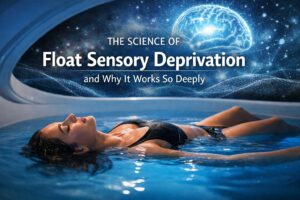
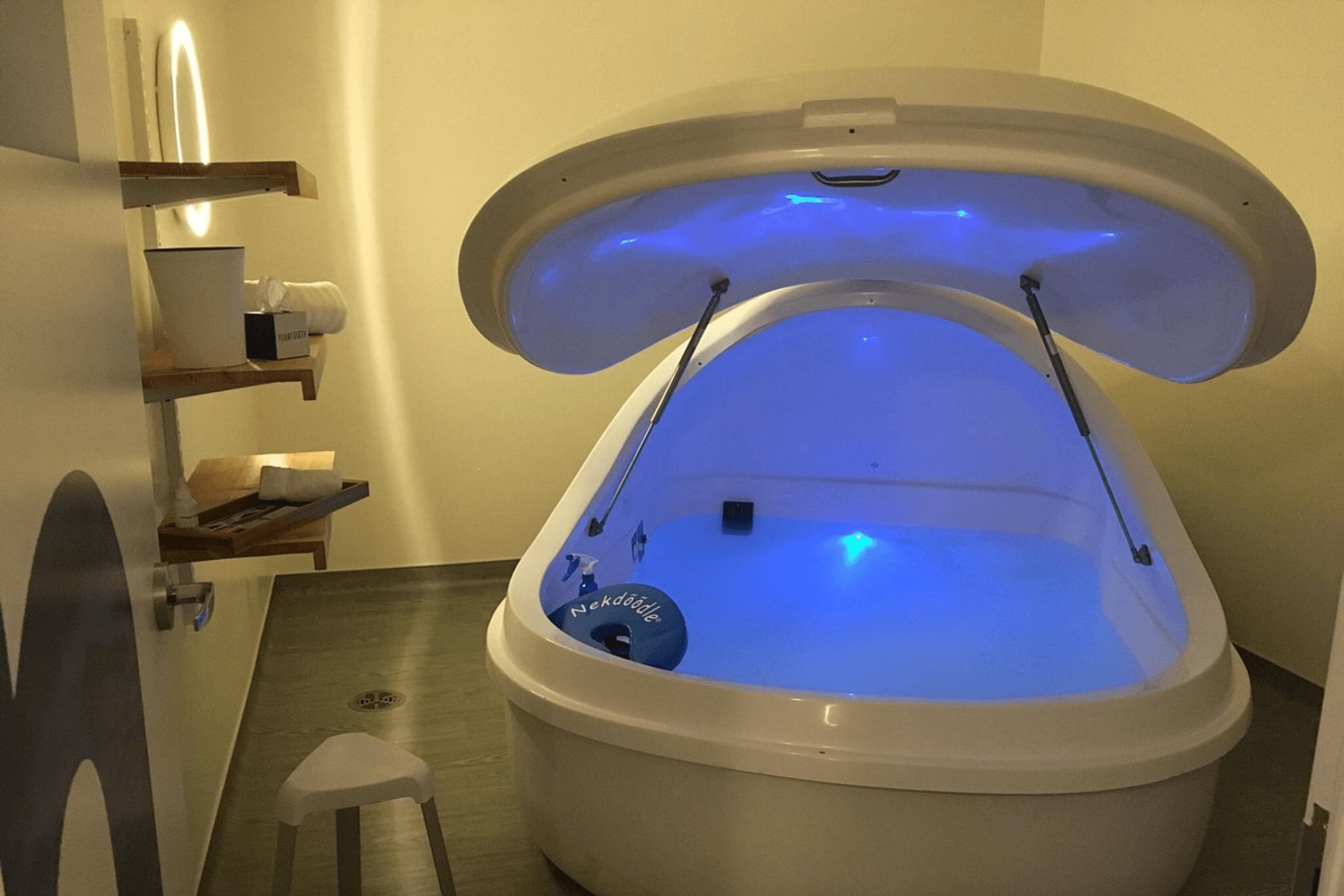
Float session therapy involves lying in a dark, quiet tank filled with saltwater that allows your body to float effortlessly. The water is maintained at skin temperature, creating an experience often described as “weightless” or “suspended in space.” This is a key aspect of sensory deprivation float therapy, which reduces external stimuli to allow deep relaxation and physiological restoration.
The key benefits of float therapy include stress reduction, mental clarity, improved sleep, and faster physical recovery. For many, float session therapy offers a unique path to longevity by promoting both mental and physical well-being.
How Float Session Therapy Impacts the Body
1. Relaxation and Stress Reduction
One of the most immediate effects of float session therapy is deep relaxation. The absence of sensory input reduces stress hormones like cortisol, allowing your nervous system to reset. Studies show that float therapy sessions can decrease anxiety, improve mood, and enhance overall emotional well-being.
- Float Therapy for Relaxation: By reducing sensory input, your body shifts into a parasympathetic state, promoting calm and recovery.
- Float Tank Anxiety: Regular sessions can help reduce generalized anxiety and support emotional balance.
2. Improved Circulation and Muscle Recovery
Floating in the buoyant solution reduces strain on joints and muscles, enhancing circulation and recovery. This makes float session therapy highly effective for athletes and those experiencing muscle tension.
- Float Session Benefits: Increased circulation helps deliver oxygen and nutrients more efficiently.
- Float Sauna Recovery Effects: Improved blood flow supports faster healing of minor injuries and reduces inflammation.
- Float Tank Therapy Benefits: Alleviates muscular stress, aiding recovery and overall body longevity.
3. Pain Relief and Chronic Condition Support
For those with chronic pain or inflammatory conditions, float session therapy offers a gentle method for pain relief. By promoting relaxation and reducing muscle tension, float therapy for depression and chronic conditions can improve quality of life.
- Benefits of Floatation Tanks: Reduced joint pressure and lower pain perception.
- Float Deprivation Tank Benefits: Supports recovery from injuries and chronic discomfort.
Mental Health Benefits and Cognitive Clarity
1. Stress and Anxiety Management
The mental health benefits of float session therapy are substantial. By minimizing external stimuli, your brain can enter a deep state of relaxation, which promotes neuroplasticity and mental clarity.
- Float Therapy What Is It: A method of sensory reduction that allows for introspection and cognitive reset.
- Science Behind Float Therapy: Research indicates that regular float sessions lower stress hormones and increase serotonin levels.
2. Sleep Enhancement
Regular float therapy sessions can improve sleep quality, which is crucial for longevity. Sleep supports hormone regulation, tissue repair, and cognitive function, all of which are impacted positively by float session therapy offers.
3. Mood Enhancement
Floating in isolation tanks can also support mood regulation. For individuals with depression, float therapy for depression has been shown to reduce symptoms and improve emotional resilience.
The Science Behind Float Session Therapy
Sensory deprivation float therapy leverages principles of relaxation, buoyancy, and minimal sensory input to achieve physiological and psychological benefits. Here’s what the science tells us:
- Reduced Cortisol Levels: Stress hormone reduction supports cardiovascular health and longevity.
- Enhanced Endorphin Production: Leads to natural pain relief and mood improvement.
- Parasympathetic Activation: Promotes recovery, immune function, and metabolic efficiency.
By regularly engaging in float session therapy offers, your body can experience measurable long-term health benefits
Longevity Benefits of Float Session Therapy
Floating not only provides immediate relaxation but can also promote longevity through several mechanisms:
- Lowered Stress and Anxiety: Reduced cortisol levels support heart health and decrease risk factors for chronic disease.
- Enhanced Recovery: Muscle and joint recovery through float therapy sessions allows for more active lifestyles.
- Improved Sleep: Quality sleep supports immune function and cellular repair.
- Cognitive Benefits: Mental clarity and emotional regulation promote overall brain health.
By combining these benefits, float session therapy offers a holistic approach to living a longer, healthier life.
Practical Tips for Maximizing the Benefits
To get the most from float session therapy offers, consider the following:
- Consistency Matters: Aim for 1–3 sessions per week.
- Prepare Properly: Avoid caffeine and heavy meals before sessions.
- Stay Hydrated: Proper hydration enhances detoxification.
- Combine with Other Wellness Practices: Yoga, meditation, or regular exercise complement float therapy.
- Listen to Your Body: Adjust session lengths and frequency based on your comfort and response.
FAQ About Float Session Therapy and Longevity
Q1: How often should I do float session therapy for maximum benefits?
A: Ideally 1–3 times per week. Beginners can start with 30-minute sessions and gradually increase to 60 minutes.
Q2: Can float therapy help with chronic pain?
A: Yes, float session therapy offers relief for muscle tension, joint pain, and inflammation.
Q3: Is float session therapy safe for everyone?
A: Generally safe. Consult your doctor if you have cardiovascular issues, severe anxiety, or are pregnant.
Q4: How does float therapy affect mental health?
A: It reduces anxiety, improves mood, and supports cognitive clarity through sensory deprivation and relaxation.
Q5: What is the main difference between float therapy and a regular spa session?
A: Float session therapy uses sensory deprivation and buoyant saltwater to achieve deep physiological and psychological benefits not found in typical spa experiences.
Q6: Can float therapy improve sleep?
A: Yes, regular float therapy sessions help regulate sleep cycles and improve sleep quality.
Conclusion
Float session therapy offers a unique combination of physical, mental, and emotional benefits that can contribute to longevity. From reducing stress and pain to improving recovery, mood, and sleep, the advantages of float session therapy are supported by both science and anecdotal evidence. Whether you are looking for enhanced relaxation, muscle recovery, or a holistic approach to long-term wellness, float session therapy offers a safe and effective path to improved health and longevity.
By incorporating float session therapy into your regular wellness routine, you can experience both immediate relaxation and long-term health benefits that support a longer, healthier life.