

In this overstimulated world, constant work pressure, digital devices, and stress make it hard to focus and think clearly. Float Session Therapy offers a powerful solution by removing sensory input and allowing your brain to reset.
During Isolation Tank Therapy, your mind experiences the mental stillness that’s difficult to achieve in daily life. This deep neurological reset reduces stress, sharpens cognitive performance, and restores focus. The Benefits of Sensory Deprivation Float Tanks help balance brain activity and improve emotional stability.
Many people turn to Float Therapy for Depression and mood management as part of their wellness routine, since regular sessions enhance both mental clarity and emotional well-being.
Understanding the Science Behind Float Session Therapy
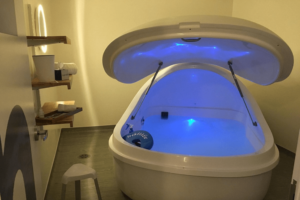
Float tanks use warm water and Epsom salt to create effortless buoyancy while removing sensory input. This sensory deprivation shifts your brain into a restorative state, reducing amygdala activity (stress center) and increasing theta-wave activity linked to creativity and mental clarity.
Regular float sessions improve focus, emotional balance, and mental sharpness. By reducing stress hormones and supporting neurotransmitter activity, float therapy can be particularly helpful for managing mood challenges and depression.
How Floating Enhances Focus and Mental Sharpness
One of the strongest reasons why Float Session Therapy offers impressive cognitive improvements is its ability to calm the nervous system. The brain is constantly multitasking, reacting to endless inputs and making decisions nonstop. When individuals float regularly, the brain finally gets a chance to pause.
This is where the Benefits of Sensory Deprivation Float Tanks become significantly noticeable. With the absence of external stimuli, the brain’s prefrontal cortex the area responsible for decision-making and concentration gets an opportunity to rest and reset. This “mental resetting” effect results in:
- Sharper focus
- Improved cognitive processing
- Enhanced problem-solving abilities
- Faster mental recovery after stress
- Better task completion
As people continue using Isolation Tank Therapy, the results compound. Neuroplasticity improves, allowing the brain to reorganize itself, making clear thinking more natural. Because many people seeking Float Therapy for Depression also struggle with concentration issues, regular floating becomes an effective combination that supports both emotional health and cognitive performance.
Boosting Concentration Through Nervous System Regulation
In this state, the Benefits of Sensory Deprivation Float Tanks are most noticeable. The nervous system becomes balanced, cortisol levels drop, and the mind becomes naturally calm. This peaceful internal environment allows the brain to concentrate better once the session ends. People report:
- Longer attention spans
- Reduced distractibility
- Better mental endurance
- Fewer intrusive thoughts
For individuals exploring Float Therapy for Depression, this shift is extremely valuable because depression often brings brain fog, rumination, and attention challenges. Through Isolation Tank Therapy, mental clarity and emotional stability can improve together, enhancing overall concentration.
Mental Clarity: One of the Most Powerful Benefits of Floating
Mental clarity is one of the strongest advantages that Float Session Therapy Offers. As the mind enters deep relaxation, the fog that often clouds thinking begins to dissolve. This is where the Benefits of Sensory Deprivation Float Tanks play a major role.
- Clearer decision-making
- Reduced mental clutter
- Emotional detoxification
- Improved perspective
- Increased intuition and creativity
Because Isolation Tank Therapy takes away the typical mental noise, the mind becomes significantly more organized. Thoughts slow down enough to be processed clearly. This clarity is extremely helpful for people who use Float Therapy for Depression, as depression often blurs thought patterns and creates a heavy cognitive load.
How Floating Supports People With Emotional Overload and Depression
People struggling with emotional overwhelm commonly find that Float Session Therapy offers a natural and non-invasive way to calm the mind. Because emotional stress drains mental energy, floating helps the mind recover more quickly.
In addition, the Benefits of Sensory Deprivation Float Tanks include increased production of dopamine and serotonin chemicals related to happiness and emotional regulation. This is why many mental health practitioners recommend Float Therapy for Depression as a complementary practice. Floating helps reduce symptoms like:
- Persistent sadness
- Overthinking
- Emotional heaviness
- Cognitive fatigue
- Low motivation
Through Isolation Tank Therapy, people regain a sense of emotional and mental alignment. The reduced sensory input allows them to feel safe, calm, and grounded, which naturally translates into improved concentration and mental clarity.
Creativity and High-Level Thinking Improve Naturally
For many people, Float Therapy offers a unique opportunity for creative thinking and out-of-the-box problem-solving. In the absence of external distractions, the mind can explore new ideas freely.
- Breakthrough ideas
- New perspectives
- Enhanced imagination
- Clear mental organization
Because Isolation Tank Therapy puts the brain into a deeply relaxed state similar to meditation, creativity flows effortlessly. This also works well for those combining it with Float Therapy for Depression, because improved mood often increases creativity.
FAQs
1. How long does it take to notice improved focus from floating?
Most people begin noticing improvements after their first experience because Float Session Therapy offers immediate nervous system relaxation. With continued sessions, the Float Session Benefits become even more powerful and long-lasting.
2. Is floating helpful for people with depression or mental fog?
Yes. Many individuals explore Float Therapy for Depression because it enhances mental clarity, mood stability, and emotional regulation. The Benefits of Sensory Deprivation Float Tanks make it easier to process emotions and reduce cognitive fog.
3. How often should someone use Isolation Tank Therapy?
For best results, many people practice Isolation Tank Therapy once a week or twice a month. Consistency maximizes the Float Session Benefits and leads to greater improvements in concentration and clarity.
4. Can floating help with stress-related attention problems?
Absolutely. Because Float Session Therapy offers deep parasympathetic activation, it helps reduce the stress that interferes with focus. This makes it easier to concentrate, think clearly, and stay mentally organized.