
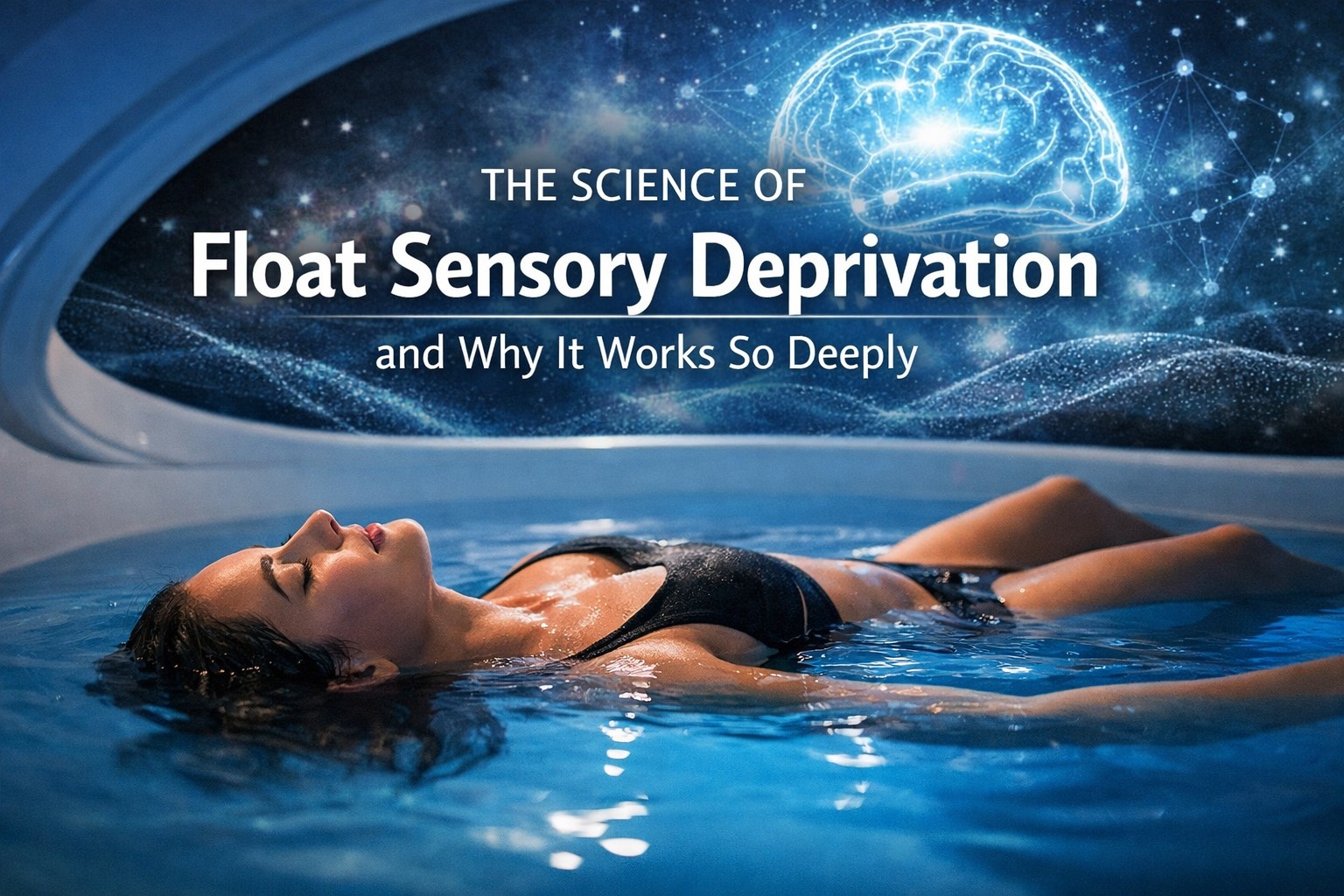
There is a reason Float sensory deprivation has moved from fringe science experiment to mainstream wellness staple across the United States. It is not hype. It is not trend-chasing. It is the fact that when you strip away every single piece of external stimulation the human nervous system is constantly processing, something profound and measurable happens inside the body and brain and researchers have been documenting it with increasing precision for decades.
Understanding the science behind sensory deprivation does not just satisfy curiosity. It explains why so many people walk out of their first session feeling genuinely different in ways they struggle to put into words.
What Sensory Deprivation Actually Means
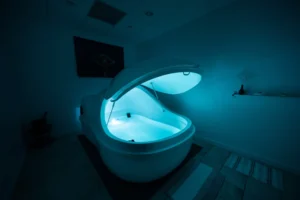
Float sensory deprivation is not about deprivation in the uncomfortable sense. It is about removal. Inside a sensory deprivation tank, every major external input is eliminated simultaneously light, sound, gravity pressure, temperature awareness, and  physical touch. The water is heated to skin temperature and saturated with enough Epsom salt to float your body completely effortlessly. The tank is dark and silent.
What remains is just you. And for most people in the United States who live in a state of near-constant stimulation, that experience of genuine nothingness is both startling and immediately, deeply relieving.
What Happens in the Brain
The brain’s primary job is to process incoming information every single second of the day visual, auditory, tactile, and emotional signals all arriving at once.
- The brain stops reacting and starts repairing with no incoming stimulation to respond to, the brain shifts its resources away from processing and toward the internal restoration work it rarely gets uninterrupted time to complete
- Brainwaves slow from beta into alpha the fast, reactive frequencies of daily waking life give way to the calm, present state of relaxed awareness that most people only briefly touch during moments of genuine stillness
- Alpha deepens into theta the rare frequency associated with deep meditation, emotional processing, memory consolidation, and subconscious restoration that most people only pass through for a few seconds while falling asleep each night
- The brain holds theta for extended, uninterrupted periods unlike sleep or meditation where theta is fleeting, float sensory deprivation creates conditions where the brain can sustain that deeply restorative frequency for the majority of the session
- Cognitive fatigue, mental fog, and emotional reactivity all decrease measurably because the exhaustion driving those symptoms comes directly from the brain’s relentless processing load, and float therapy is the only environment that removes that load completely and all at once
The Hormonal Shift
While the brain is downshifting its frequencies, the endocrine system is going through its own significant transformation. Floatation therapy consistently produces measurable reductions in cortisol, the body’s primary stress hormone, of 20 to 30 percent within a single session. For people who float regularly, baseline cortisol levels continue declining over time.
This matters because cortisol is not just an indicator of stress it is an active suppressor of healing. When cortisol is elevated, immune function slows, inflammation persists, sleep quality deteriorates, and the body allocates its resources toward managing perceived threat rather than repairing tissue and restoring balance. The moment cortisol drops inside the isolation tank, the body’s healing systems come online in a way they simply cannot when stress hormones are running the show.
Salt and Water Therapy at a Cellular Level
The sensory deprivation tank is not filled with ordinary water. The Epsom salt concentration that creates buoyancy is also delivering a steady supply of magnesium sulfate through the skin throughout the entire session. This transdermal magnesium absorption is one of the most underappreciated aspects of float sensory deprivation and one of the most impactful.
Magnesium deficiency is extraordinarily common across the United States and is directly linked to anxiety, muscle tension, disrupted sleep, low mood, and heightened nervous system excitability. As the body absorbs magnesium during a floatation therapy session, it amplifies and deepens every other healing process already underway. muscles release more completely, the nervous system calms further, and the emotional stability people feel afterward becomes chemically supported rather than just situationally produced.
Why It Works So Deeply
The reason float sensory deprivation works at a depth that other wellness modalities rarely reach comes down to simultaneity. Most therapies address one system at a time. A massage relaxes muscles. Meditation calms the mind. Sleep restores energy. An isolation tank addresses all of them at once brain, hormones, muscles, nervous system, and emotional state in the same 60 minutes, with zero active effort required.
That simultaneous, whole-system reset is what makes float therapy scientifically distinct. It is not doing one thing exceptionally well. It is doing everything the body needs, all at the same time, in conditions specifically engineered to make it happen as efficiently as possible.
Final Thoughts
The science behind float sensory deprivation is clear, consistent, and compelling. This is not wellness, it is a physiologically grounded method for resetting the human body and brain at a level most people never experience through any other means.
At Secret Soak Society, every aspect of the float environment is designed with that science in mind from the mineral balance of the water to the atmosphere of complete stillness that makes deep healing possible. If you are ready to experience what float therapy actually does from the inside out, Secret Soak Society is where that experience begins.
FAQs
Q1. What exactly is float sensory deprivation?
It is the practice of floating in a dark, silent, skin-temperature tank that eliminates all external stimulation so your brain and body can shift into deep restoration.
Q2. Is sensory deprivation in a float tank safe?
Yes, floatation therapy is safe for most healthy adults, with thousands of sessions completed daily across the United States without any adverse effects.
Q3. What does a sensory deprivation tank actually feel like?
Most people describe an initial adjustment period followed by a profound sense of weightlessness, mental stillness, and physical calm that builds steadily throughout the session.
Q4. How long does it take to feel the effects of float therapy?
Most people notice significant mental and physical shifts within the first 20 to 30 minutes as brainwaves slow and cortisol begins dropping measurably.
Q5. Can floatation therapy help with anxiety and stress?
Yes, the isolation tank environment removes every anxiety trigger simultaneously, making it one of the most effective natural tools available for genuine stress and anxiety relief.