

In the glittering yet demanding tapestry of contemporary Indian life—where ambition drives meteoric careers amid the chaos of urban sprawl, family expectations, and digital connectivity—mental health challenges like anxiety, burnout, and emotional exhaustion have become silent epidemics. Amid this, float therapy emerges not as a luxury indulgence but as a scientifically validated sanctuary for the nervous system, offering a drug-free pathway to recalibrate the mind’s response to stress. Blending the precision of evidence-based health insights with the aspirational elegance of a high-end wellness ritual, this practice invites the body and psyche into a state of effortless surrender that many describe as transformative.
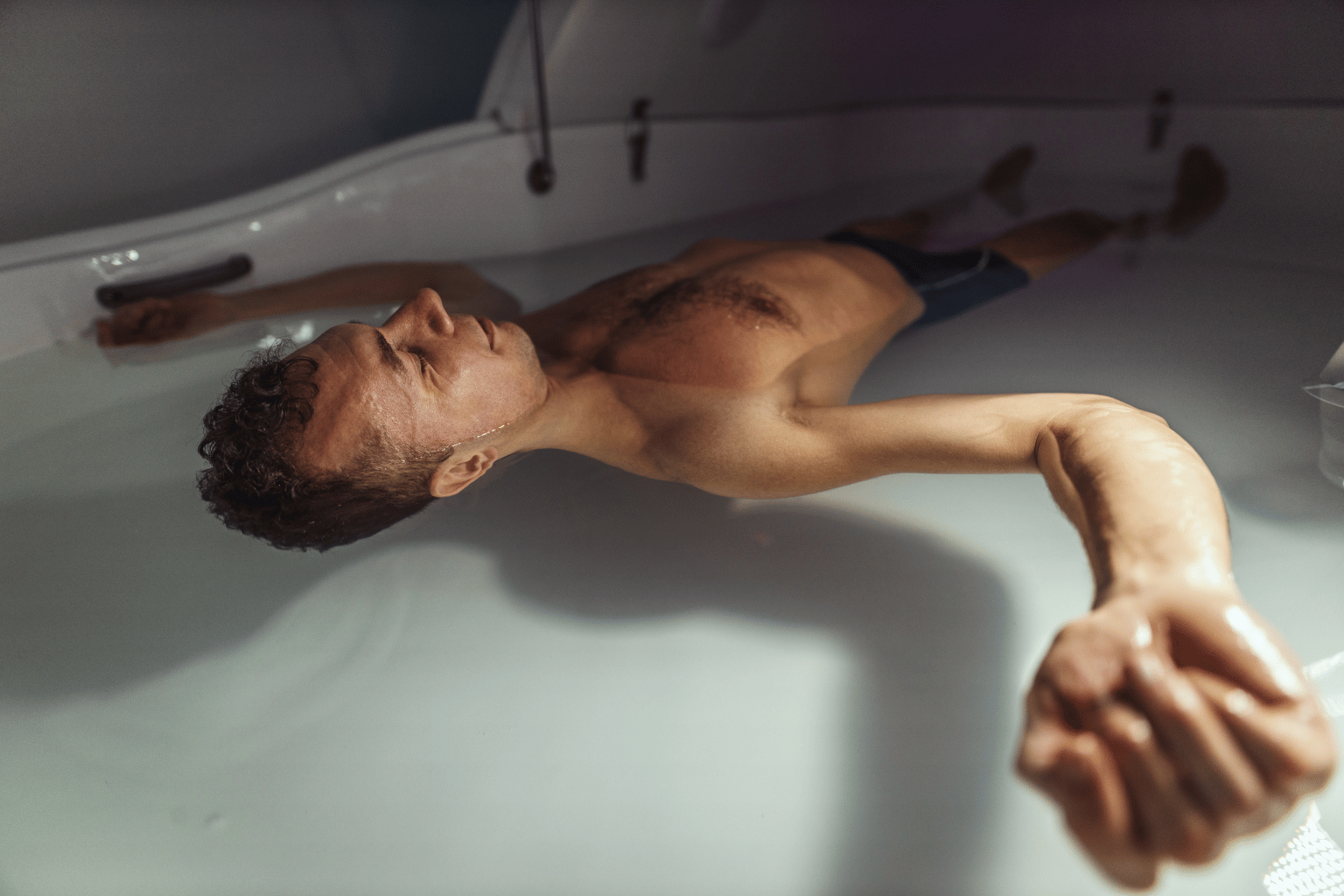
Imagine entering a dimly lit, temperature-controlled room where a sleek pod awaits, filled with water heated precisely to skin temperature (around 34.5°C) and laden with Epsom salt for perfect buoyancy. The lid closes gently, or remains open if preferred, and suddenly, external stimuli vanish. No light. No sound. No pressure from gravity. Within minutes, the fight-or-flight sympathetic nervous system begins to downshift, paving the way for parasympathetic dominance—the body’s natural healing mode. Randomized controlled trials have documented this shift vividly: one study on individuals with generalized anxiety disorder (GAD) found that 12 sessions of flotation-REST led to significant reductions in GAD symptomatology, emotion regulation difficulties, sleep disturbances, and depressive symptoms, with benefits maintained at six-month follow-up for many participants.
The mechanism is elegantly simple yet neurologically profound. By removing sensory bombardment, float therapy allows the brain to reduce hyperactivity in areas associated with hypervigilance and rumination. A scoping review of flotation-REST highlighted substantial decreases in anxiety and depression scores across studies, alongside improvements in optimism and overall psychological well-being. State anxiety—a measure of immediate, situational worry—drops dramatically, often more effectively than passive controls like watching relaxing films. Muscle tension eases, blood pressure normalizes, and the subjective experience of serenity surges.
For India’s professionals and founders, who often wear “wired but tired” as a badge of honor, these sessions address the root of burnout: a nervous system perpetually braced for the next demand. Signs of being overdue for such a reset—waking exhausted despite sleep, feeling drained by noise or crowds, persistent mental fog, or creative blocks—are precisely the indicators research links to chronic sympathetic arousal. Float therapy interrupts this cycle. Participants in clinical trials report feeling lighter, more present, and equipped with tools for everyday emotional regulation that extend far beyond the pod. One landmark investigation by the Laureate Institute for Brain Research demonstrated robust anxiety reductions across anxiety disorder subgroups, with enhanced feelings of relaxation and well-being persisting post-treatment.
What distinguishes float therapy from other wellness modalities is its accessibility to the subconscious. In the theta brainwave state it reliably induces, emotional processing occurs organically—old tensions surface and dissolve without forced analysis. This makes it particularly potent for those navigating high-stakes environments where traditional therapy or meditation requires sustained effort. Studies confirm enhanced creativity and problem-solving, ideal for entrepreneurs seeking breakthroughs amid uncertainty. Moreover, the practice fosters a gentle reconditioning of the body’s stress response, lowering baseline cortisol and improving sleep architecture over time, even if immediate sleep benefits vary across individuals.
Critically, float therapy complements rather than replaces conventional mental health care. It is contraindicated for certain conditions like untreated claustrophobia or epilepsy, and best approached with guidance from qualified centers. Yet for the vast majority, it serves as a complementary tool, enhancing resilience in a culture where mental health conversations are gaining necessary momentum. In urban India, where access to premium wellness aligns with aspirational self-care, Secret Soak Society-style centers provide a safe, hygienic, and luxurious entry point—complete with pre- and post-session rituals that honor the whole person.
The beauty of this modality lies in its universality. Whether a first-time floater nervous about the enclosed space (tanks are spacious and lids can stay open) or a seasoned practitioner, the experience meets the individual exactly where they are. Post-session, many describe a “lighter” gait and clearer mind, echoing ancient descriptions of samadhi or profound meditative absorption but grounded in modern neuroscience. As systematic reviews affirm, the effects on mental well-being are among the most consistent and clinically meaningful outcomes of flotation-REST.
In an era where self-care is no longer optional but essential for sustained success and joy, float therapy stands as a quiet revolution. It does not demand effort or expertise—only presence. For those feeling the weight of unspoken exhaustion, it offers not just relief, but a return to the vibrant, centered self that modern life often obscures. The pod becomes a personal temple of stillness, where healing unfolds in silence and the mind rediscovers its innate capacity for peace.




![[Quasi-drug] Bath Salt, Lemon Scent, 21.3 oz (600](https://m.media-amazon.com/images/I/716ZNtnKM-L._AC_UL320_.jpg)