

In recent years, float therapy has gained immense popularity for its unique approach to relaxation, mental clarity, and physical well-being. But what is it about float therapy that has people raving? From sensory deprivation to deep relaxation, many individuals have found transformative benefits in float sessions. This blog will explore float therapy, what it is, the benefits of float therapy, and real-life experiences that highlight why more people are seeking float session therapy.
What is Float Therapy?
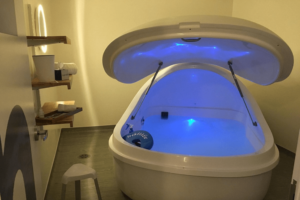
For those unfamiliar, float therapy involves lying in a tank filled with saltwater that allows you to float effortlessly. These tanks, often referred to as sensory deprivation float tanks, are designed to minimize external stimuli such as light, sound, and gravity. This environment promotes deep relaxation and provides a unique opportunity for self-reflection.
The purpose of sensory deprivation tank sessions is to create a space where the mind and body can disconnect from stressors, reduce sensory overload, and encourage natural healing processes. Many people start their first float therapy session curious but leave feeling refreshed and rejuvenated.
The Science Behind Float Therapy
The science behind float therapy is rooted in reducing external sensory input. By floating in a dark, quiet environment, your brain enters a state similar to meditation. This can lead to lower cortisol levels, reduced stress, and enhanced mental clarity. Studies also suggest that floatation tanks may trigger the release of endorphins, improving overall mood and promoting a sense of well-being.
Research on float therapy for depression and float tank anxiety has shown promising results. Individuals who regularly use floatation tanks report lower anxiety levels, improved focus, and even reduced symptoms of chronic pain.
Benefits of Float Therapy
Float session therapy delivers results that go far beyond what most people expect walking in for the first time. Here is what consistent floating actually does:
- Deep Stress Relief — the float environment shuts down your stress response completely, giving your nervous system a level of rest it rarely gets to experience during ordinary daily life
- Genuine Pain Relief — weightlessness removes pressure from muscles, joints, and the spine simultaneously, making float therapy one of the most effective natural tools for chronic pain, tension, and inflammation
- Mental Clarity and Creativity — with the brain freed from sensory processing, it shifts into a state where problem solving, fresh thinking, and creative insight flow more naturally than usual
- Better Sleep — the nervous system reset triggered during a session carries directly into that night’s sleep, with most people reporting deeper, more restorative rest in the hours that follow
- Mindfulness Without Effort — the tank creates a meditation-like state automatically, making it ideal for people who struggle to quiet their mind through conventional mindfulness practices
- Emotional Healing — regular sessions support mood regulation, reduce emotional reactivity, and have shown meaningful results for people managing depression and anxiety over time
- Athletic Recovery — the combination of magnesium absorption, zero gravity buoyancy, and deep nervous system calm accelerates muscle repair and reduces recovery time significantly between training sessions
What Real People Are Saying
Nothing explains float session therapy better than the people who have actually experienced it:
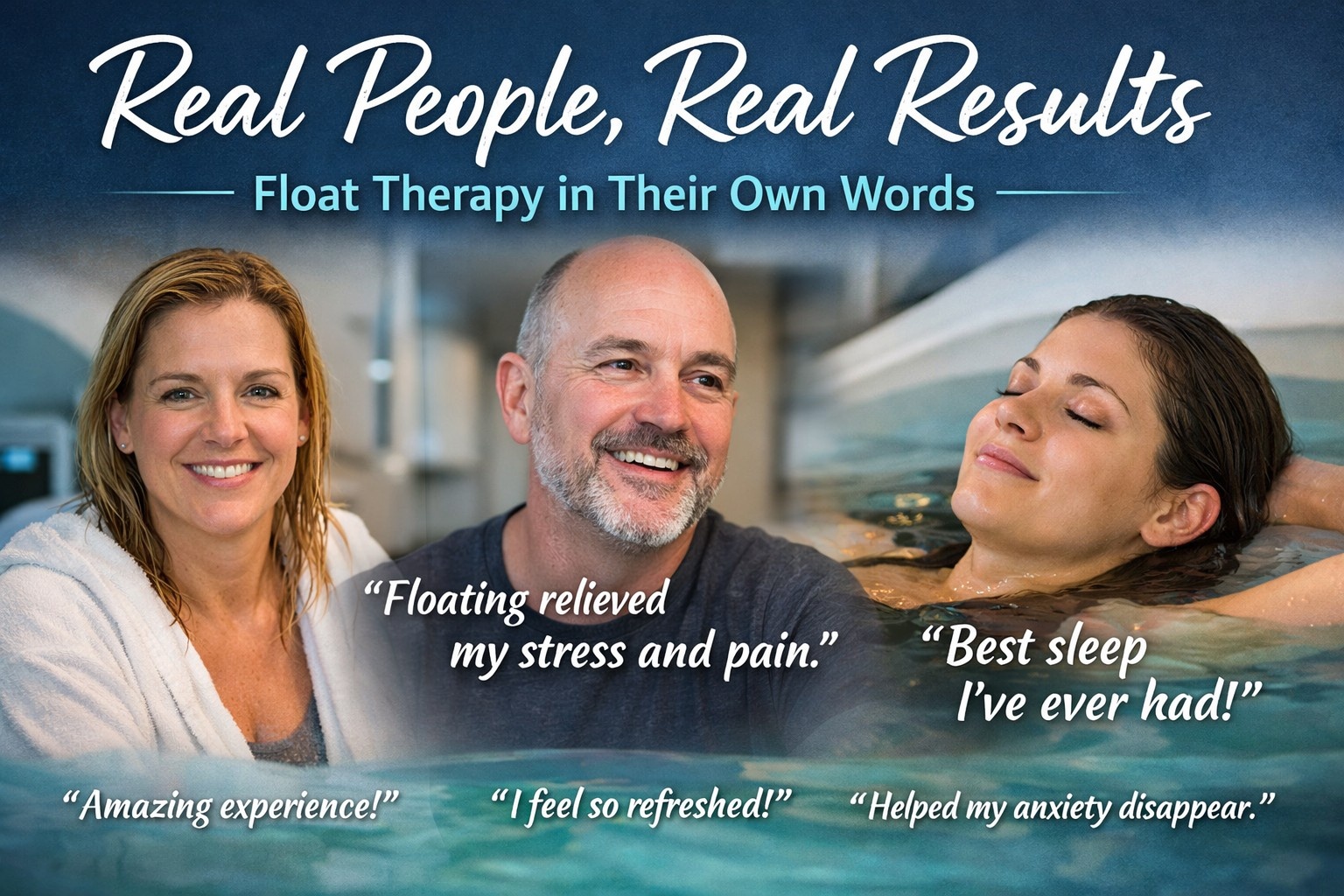
- Sarah, 32 — New York “I booked my first session out of pure curiosity and walked out completely converted. I felt lighter, calmer, and more focused than I had in months. It is now a non-negotiable part of my weekly routine.”
- James, 45 — Los Angeles “I was genuinely skeptical going in — I have always struggled with anxiety and was not sure how I would handle the tank. After a few sessions I noticed my stress levels dropping and my sleep improving in ways I had not expected. The impact on my mental health was real.”
- Lisa, 28 — Chicago “I started floating specifically for chronic back pain after running out of options that actually helped. The relief I felt after my first session was unlike anything traditional therapy had managed to deliver. I wish I had found it sooner.”
- Michael, 38 — Miami “The moment the tank closed I understood what everyone meant. That feeling of total detachment from the outside world is something you genuinely cannot describe until you have felt it yourself. Completely surreal in the best possible way.”
- Rebecca, 50 — Seattle “I came to float therapy during one of the hardest periods of my life and it gave me something I did not know I was missing. It is not just relaxation — it is emotional restoration. The difference it has made to my mental health has been life changing.”
Who Can Benefit from Float Therapy?
Almost anyone can benefit, but float session therapy is especially powerful for:
- People carrying chronic stress or anxiety
- Anyone dealing with ongoing pain, tension, or inflammation
- Athletes needing faster physical recovery between training sessions
- People managing depression or emotional burnout
- Those who struggle to meditate or quiet their mind conventionally
- Anyone whose sleep has been consistently poor
If your body or mind has been running on empty, a liquid sanctuary session is built for you.
How to Prepare for a Float Therapy Session
Getting the most out of your float session therapy starts before you even step into the tank. A little preparation goes a long way:
- Skip the caffeine beforehand — stimulants keep your nervous system alert and work directly against the deep relaxation the session is designed to deliver

- Shower before you enter — it is standard practice at every float center and ensures the water stays clean and your skin is ready to absorb the minerals fully
- Leave your phone outside — the entire point of a float session is complete disconnection, and even knowing your phone is nearby is enough to keep part of your brain on standby
- Set a simple intention — decide before you go in what you want from the session, whether that is stress relief, physical recovery, mental clarity, or simply an hour of genuine stillness
- Drink water beforehand — arriving well hydrated helps your body respond more effectively to the magnesium absorption and supports the overall restorative process throughout the session
Final Thoughts
Float therapy is not a trend, the science is solid, the results are consistent, and the people experiencing it keep coming back because it works in a way nothing else quite matches. Whether you are carrying months of stress, a body that never fully recovers, or a mind that will not quiet down at night, float session therapy meets you exactly where you are.
Secret Soak Society exists for exactly this reason — to give every person who walks through the door an experience that restores them at a level they did not know was possible. One session is usually all it takes to understand what everyone has been talking about.
Frequently Asked Questions
- What is the main purpose of a sensory deprivation tank?
To remove all external stimulation so your mind and body can drop into a state of deep rest and genuine healing that everyday life rarely allows.
- How long is a typical float therapy session?
Most sessions run 60 to 90 minutes, enough time for your nervous system to fully reset and your body to complete a proper restorative cycle.
- Is float therapy safe for everyone?
It is safe for most people, though anyone with open wounds, severe skin conditions, or who is pregnant should check with a health professional before booking.
- Can float therapy actually help with depression and anxiety?
Yes, regular sessions have shown consistent results in reducing anxiety symptoms and lifting mood by lowering cortisol and supporting the brain’s natural emotional regulation.
- How often should I float for the best results?
Once a week delivers the strongest ongoing benefits, while fortnightly sessions work well for general stress relief and physical recovery maintenance.





![[Quasi-drug] Bath Salt, Lemon Scent, 21.3 oz (600](https://m.media-amazon.com/images/I/716ZNtnKM-L._AC_UL320_.jpg)