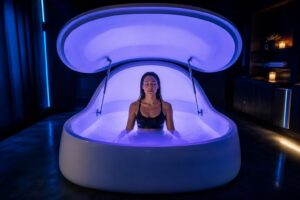


Modern life often brings a constant stream of responsibilities, notifications, deadlines, and daily pressures. Finding time to slow down and reconnect with yourself can feel difficult when your mind is always occupied. Creating a quiet space for rest and reflection can be a valuable part of maintaining a balanced lifestyle. Float therapy offers one way to step away from everyday distractions and experience a peaceful environment designed for relaxation.
The Secret Soak Society, individuals can explore a setting where reduced sensory input, stillness, and dedicated personal time encourage a different approach to relaxation. Understanding how float therapy works and what to expect can help you decide whether it fits your personal wellness routine.
What Is Float Therapy?
Float therapy is a relaxation practice that involves resting in a specially designed tank or room filled with water containing a high concentration of Epsom salt. The salt increases the water’s buoyancy, allowing the body to float comfortably with minimal effort.
The water is typically maintained near skin temperature, creating a more consistent and comfortable environment. Depending on the facility, people may choose a private float room or an enclosed tank. Many settings allow participants to control the lighting and whether they prefer music or silence.
During a session, external distractions are reduced, giving you an opportunity to pause from the demands of everyday life. Experiences vary from person to person, but some individuals describe feeling calmer, more focused, or more aware of their breathing after a session.
Creating Space for Mental Relaxation
One of the most appealing aspects of float therapy is the opportunity to spend time without the usual demands for attention. Daily activities often require switching between tasks, responding to messages, and processing information. A quiet float session offers a temporary break from these patterns.
With fewer external distractions, some people find it easier to focus on their breathing and notice their thoughts without immediately reacting to them. Others simply enjoy the quiet without following any particular technique.
Research into sensory deprivation and flotation-based relaxation suggests that these environments may help some people experience reduced stress and greater relaxation. However, individual responses differ, and float therapy should be viewed as a personal wellness practice rather than a way to achieve a particular result.
The Connection Between Floating and Physical Comfort
Daily routines can involve extended periods of sitting, standing, driving, or working at a computer. These activities may leave people feeling physically tired by the end of the day. Floating provides an environment where the body is supported by buoyant water rather than resting on a conventional surface.
Because the water supports much of your body weight, you can relax without needing to maintain your usual posture. Some people report feeling less physical tension after a session, although experiences vary and the results are not the same for everyone.
The warm water and quiet surroundings may also encourage a more relaxed breathing pattern. Rather than focusing on performance or completing tasks, you can allow yourself time to rest comfortably.
Float therapy is not a substitute for professional medical care when persistent discomfort or other physical concerns require assessment.
Supporting Mindfulness and Self-Awareness
Mindfulness involves paying attention to the present moment without becoming overly focused on past events or future responsibilities. Float therapy can provide a setting for exploring this practice in a simple, accessible way.
During a session, you might notice the movement of your breath, the sensation of floating, or the gradual shift in your attention as the environment becomes quieter. There is no requirement to clear your mind completely or achieve a particular mental state.
Some people prefer to use their float time for reflection, while others find it more enjoyable to let their thoughts come and go naturally. Both approaches can make the experience more personal.
With regular opportunities for quiet reflection, some individuals may become more aware of how they respond to everyday stress. However, these outcomes depend on personal preferences, expectations, and other aspects of daily life.
What to Expect During Your First Float Session
Knowing what happens during a float session can make the experience feel more approachable, especially if you have never tried it before.
Before your session: Arrive with enough time to understand the facility’s instructions. Most locations provide guidance about showering before entering the float environment. Avoid shaving immediately beforehand, as saltwater may irritate freshly shaved skin.
During your session: You will enter the prepared float environment and settle into a comfortable position. You can keep the lighting on if that feels more reassuring. There is no need to force yourself to relax; simply allow yourself time to become familiar with the surroundings.
After your session: Take your time getting ready and notice how you feel. Some people experience a sense of calm, while others feel refreshed or simply enjoy having spent time away from distractions.
First-time visitors should communicate any concerns to the facility staff before beginning. People with medical conditions that may affect their safety in the water, open wounds, or significant discomfort in enclosed spaces should seek appropriate guidance before booking.
Making Float Therapy Part of Your Wellness Routine
A sustainable wellness routine does not need to involve complicated schedules or major lifestyle changes. Small periods of intentional rest, regular movement, sufficient sleep, and enjoyable activities can all contribute to a more balanced day.
Float therapy may complement these habits by offering dedicated time for relaxation. Some people choose an occasional session when they need a quiet break, while others explore a regular schedule based on personal preference and budget.
There is no single frequency that suits everyone. Start by considering your comfort level, schedule, and reasons for trying the experience. Pay attention to how you feel afterward rather than expecting a specific outcome.
The most useful approach is to view floating as one option among many for creating space to pause, recharge, and reconnect with yourself.
Discover a Quieter Way to Spend Time With Yourself
Finding serenity often begins with giving yourself permission to slow down. Float therapy creates an environment where reduced sensory input and buoyant water can make relaxation feel different from an ordinary break at home.
Although research is ongoing and experiences vary, some people find flotation sessions a welcome addition to their personal wellness routines. By approaching the experience with realistic expectations, you can explore whether this quiet time supports your own preferences for rest and renewal.
FAQ
What is the main purpose of float therapy?
Float therapy provides a quiet environment with buoyant saltwater, allowing individuals to take a break from everyday distractions. Some people report feeling more relaxed and refreshed after a session.
How long does a float therapy session usually last?
Session lengths vary by facility, but many float therapy sessions last approximately 60 minutes. Check with your chosen location for its available session options.
Can float therapy help with everyday stress?
Float therapy may help some people feel calmer by providing a peaceful environment with fewer external distractions. Individual experiences vary, and it is not a replacement for professional mental health care when needed.
What should I bring to my first float therapy session?
Most facilities provide towels and basic shower amenities. Check the location’s instructions before visiting, and consider bringing a change of clothes and any personal toiletries you need afterward.