

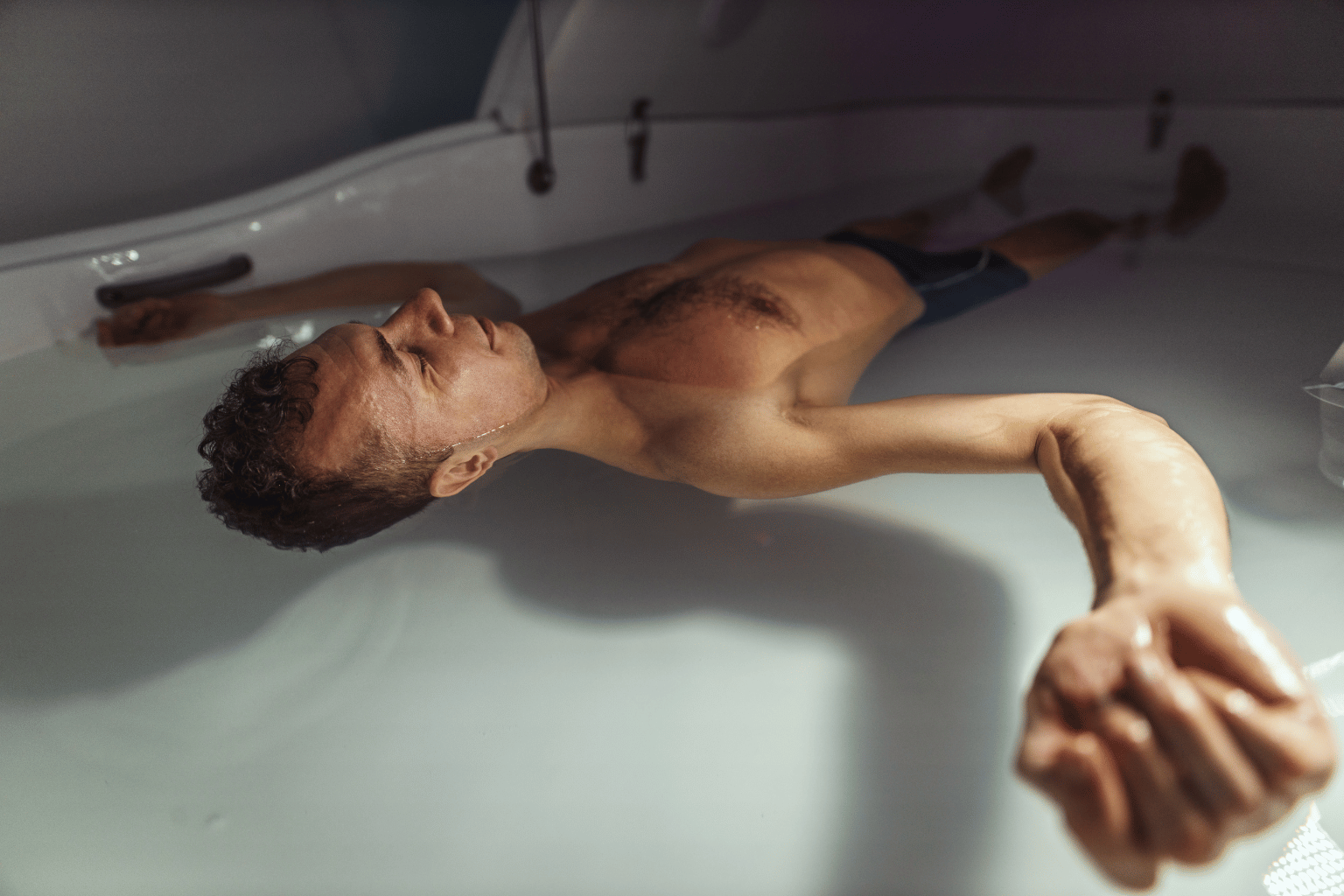
Modern life can make it hard to slow down. Work demands, phone notifications, busy schedules, and daily responsibilities often leave people feeling mentally tired. As a result, many people in the USA are looking for simple ways to relax and make time for themselves.
One option gaining attention is flotation therapy. Understanding the flotation tanks benefits can help you decide whether this experience fits your personal wellness routine. Flotation tanks offer a quiet environment where you can float in warm, highly salted water while reducing many of the usual sights, sounds, and physical distractions.
At The Secret Soak Society, we believe a thoughtful wellness routine starts with understanding your options. Let’s look at how flotation tanks work, why people use them, and what you should know before trying one.
What Is a Flotation Tank?
A flotation tank is an enclosed or open float pod filled with warm water containing a high concentration of Epsom salt, also known as magnesium sulfate. The salt increases the water’s density, allowing your body to float with little effort.
Many tanks reduce light and sound to create a calm setting. This experience is often called float therapy or flotation-REST, which stands for restricted environmental stimulation therapy.
The main goal is to reduce external distractions and give you time to rest. People use flotation tanks for relaxation, quiet reflection, stress management, and a break from everyday demands.
What Are the Main Flotation Tanks Benefits?
The main potential benefits include relaxation, temporary relief from everyday stress, reduced sensory distractions, and an opportunity to rest without constant interruptions. Some people also report improvements in mood, sleep quality, or muscle comfort. However, research is still developing, and results vary from person to person.
Here are the key reasons people explore flotation therapy.
A Calmer Environment for Stress Management
One of the biggest attractions of flotation tanks is the chance to step away from daily stimulation. You can leave your phone outside, settle into warm water, and spend time without conversations, notifications, or other common distractions.
Some studies suggest that flotation-REST may reduce short-term anxiety and promote relaxation. However, it should not be considered a guaranteed treatment for chronic stress or anxiety disorders.
For people who find it difficult to pause during a busy day, a quiet floating session may offer a useful opportunity to slow down and reset.
Less Pressure on Muscles and Joints
The high salt concentration supports your body in the water, so you do not need to swim or work to stay afloat. This can create a feeling of lightness and reduce the effort needed to maintain a comfortable position.
Some people enjoy floating after exercise or a physically demanding day because the water supports their body while they rest. They may find the experience soothing, although evidence that flotation therapy speeds physical recovery remains limited.
Flotation therapy is best viewed as a relaxation option rather than a replacement for medical care, rehabilitation, or an appropriate exercise recovery plan.
Fewer Sensory Distractions
Our brains process information throughout the day, from background noise and bright screens to conversations and movement. A flotation tank can reduce many of these external inputs, creating space for quiet rest.
This is one reason people interested in sensory deprivation explore floating. With fewer distractions, you may find it easier to notice your breathing, relax your body, or let your thoughts settle naturally.
You do not need to achieve a completely empty mind. Simply resting without the pressure to respond to anything can make the session worthwhile.
An Opportunity to Support Better Sleep
Sleep problems can have many causes, including stress, irregular schedules, and environmental distractions. A relaxing activity before bedtime may help some people prepare for rest.
Some flotation research has explored changes in relaxation and sleep-related outcomes, but the evidence is not strong enough to promise that float therapy will improve sleep for everyone.
If you want to explore this approach, consider scheduling a session at a convenient time and observing how you feel afterward. Pair it with consistent sleep and wake times, a comfortable bedroom, and reduced screen use before bed.
A Break From Everyday Mental Demands
Another potential benefit is having dedicated time without the need to multitask. You do not have to answer messages, finish a task, or follow a schedule during your floating session.
Some people use this quiet time to reflect, while others prefer to let their minds wander. The experience can also help you notice how much stimulation you encounter during a normal day.
For busy professionals, parents, and people with demanding routines, setting aside uninterrupted time can be a practical form of self-care.
How Does Float Tank Therapy Work?
Float tank therapy combines buoyant saltwater with a low-stimulation environment. The water supports your body, while reduced external distractions create an opportunity for quiet rest. Many sessions last around 45–60 minutes, although the duration depends on the facility.
Here is what a typical session looks like:
Prepare for your session. Follow the facility’s instructions and shower before entering the tank.
Enter the float tank. Ease yourself into the warm water and find a comfortable position.
Adjust the environment. Depending on the tank, you can choose to keep the lid open or closed and the lights on or off.
Allow yourself to relax. Breathe normally, settle into the water, and avoid worrying about whether you are doing it correctly.
Finish slowly. When the session ends, take your time getting out and shower to remove the saltwater.
Float Tank Therapy Benefits Compared With Other Relaxation Options
Flotation therapy is one of several ways to make time for relaxation. The best option depends on your preferences, budget, comfort, and wellness goals.
| Relaxation option | Main appeal | Best suited for |
| Flotation tank | Buoyancy and fewer sensory distractions | People who enjoy quiet, uninterrupted rest |
| Magnesium salt bath | Warm water and a soothing bathing ritual | People who prefer relaxation at home |
| Meditation | Focused breathing and mindful awareness | People seeking an accessible daily practice |
| Gentle stretching | Comfortable movement and body awareness | People who prefer an active approach |
| Relaxation music | A calming sound environment | People who enjoy relaxing without special equipment |
Who Should Consider Flotation Therapy?
Flotation therapy may appeal to adults who want a quiet break from everyday responsibilities, enjoy warm-water relaxation, or want to experiment with different ways to manage routine stress.
However, it is not comfortable or suitable for everyone. Before booking a session, consider the following:
- Claustrophobia: Try a facility that allows you to keep the tank open and the lights on.
- Skin irritation: Saltwater may sting cuts, open wounds, or irritated skin.
- Medical concerns: Ask a healthcare professional whether floating is appropriate if you have a condition that affects safe water use.
- Infection or hygiene concerns: Follow facility guidance and avoid floating when you have a contagious illness or an uncovered wound.
- Pregnancy or other special circumstances: Seek individual medical guidance when appropriate.
How to Get the Most From Your Floating Experience
A few simple steps can make your first session more comfortable.
- Avoid rushing to your appointment. Arrive early enough to understand the instructions.
- Follow the facility’s advice about shaving, skincare products, and preparation.
- Keep expectations realistic. You do not need to fall asleep or clear your mind.
- Give yourself time afterward to shower, hydrate, and return to your regular routine.
- Pay attention to how you feel rather than expecting a particular result.
Build a Relaxing Wellness Routine With The Secret Soak Society
You do not need to rely on a single activity to support your well-being. A balanced routine can include regular sleep, movement, time outdoors, mindfulness, and relaxing activities that fit your lifestyle.
The Secret Soak Society encourages a practical approach to everyday wellness. Explore products at Float-Therapy.com to find home wellness and bath essentials that complement your personal routine.
Whether you prefer a float tank, a warm bath, or a quiet evening away from screens, focus on options you enjoy and can maintain over time.
Conclusion
The growing interest in flotation tanks benefits reflects a simple need: people want more opportunities to pause, relax, and step away from daily distractions. Floating may offer a calming experience, temporary stress relief, and a comfortable setting for uninterrupted rest, although the strength of scientific evidence varies by outcome.
For some people, a flotation tank becomes a useful part of a broader wellness routine. Others may prefer meditation, gentle movement, or a relaxing bath at home.
Frequently Asked Questions
What are the main flotation tanks benefits?
The main potential benefits include relaxation, reduced sensory distractions, temporary relief from everyday stress, and a soothing feeling of buoyancy. Some people also report better sleep or improved mood, but research remains limited and individual results vary.
Can float tank therapy help with stress?
Float tank therapy may help some people feel calmer by reducing external stimulation and providing uninterrupted rest. Early research suggests possible short-term benefits for anxiety and relaxation, but flotation therapy should not replace professional care for persistent stress or anxiety disorders.
How long should you stay in a flotation tank?
Many flotation sessions last approximately 45–60 minutes. First-time users should follow the facility’s guidance and choose a duration that feels comfortable. You can leave early if you feel anxious, uncomfortable, or unwell.
Are flotation tanks safe for beginners?
Many healthy adults can try flotation tanks safely when they follow facility instructions. However, saltwater can irritate damaged skin, and enclosed spaces may trigger claustrophobia. Check hygiene standards and seek medical advice if you have concerns about whether floating is suitable for you.
Can I enjoy float tank therapy benefits at home?
You can create a relaxing home environment with a warm bath, gentle lighting, quiet music, or mindfulness exercises. These activities do not reproduce the complete flotation tank experience, but they can provide accessible ways to make time for relaxation.
Are flotation tanks better than magnesium salt baths?
Neither option is universally better. Flotation tanks combine buoyancy with reduced sensory stimulation, while magnesium salt baths offer a familiar home bathing experience. Your choice should depend on comfort, convenience, personal preference, and cost.





Comments
Pingback: Finding Serenity and Renewal Through Float Therapy