
Training for a triathlon requires dedication, discipline, and careful planning. Swimming, cycling, and running place different demands on the body and mind. For athletes balancing training with work and family responsibilities, finding time to rest can be just as important as completing another workout.
A balanced routine includes more than exercise. Sleep, nutrition, hydration, and relaxation all play important roles in overall well-being. Float therapy is one option athletes may explore to create a peaceful break from everyday distractions.
For one dedicated triathlete, discovering float therapy offered a new perspective on relaxation and its place in a demanding training schedule.
Discovering Float Therapy Beyond Training
The triathlete had spent months following a structured training plan, gradually increasing distances and preparing for upcoming races. Although the routine brought a sense of achievement, constant preparation sometimes made it difficult to switch off mentally.
After learning about float therapy, the athlete decided to try it as a complementary wellness experience.
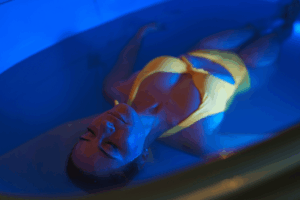
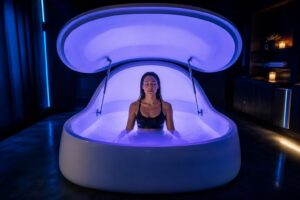
The Secret Soak Society introduces people to float therapy, which involves resting in warm water containing a high concentration of Epsom salt. The saltwater supports the body through buoyancy, while some facilities reduce light and sound to create a quieter environment.
The goal was not to improve race times overnight. Instead, the athlete wanted to enjoy some peaceful downtime, step away from performance goals, and make relaxation a regular part of the training routine.
Creating Space for Physical Relaxation
Swimming, cycling, and running involve repeated movements that can leave athletes feeling tired after demanding sessions. Finding comfortable ways to unwind can help them maintain a balanced lifestyle.
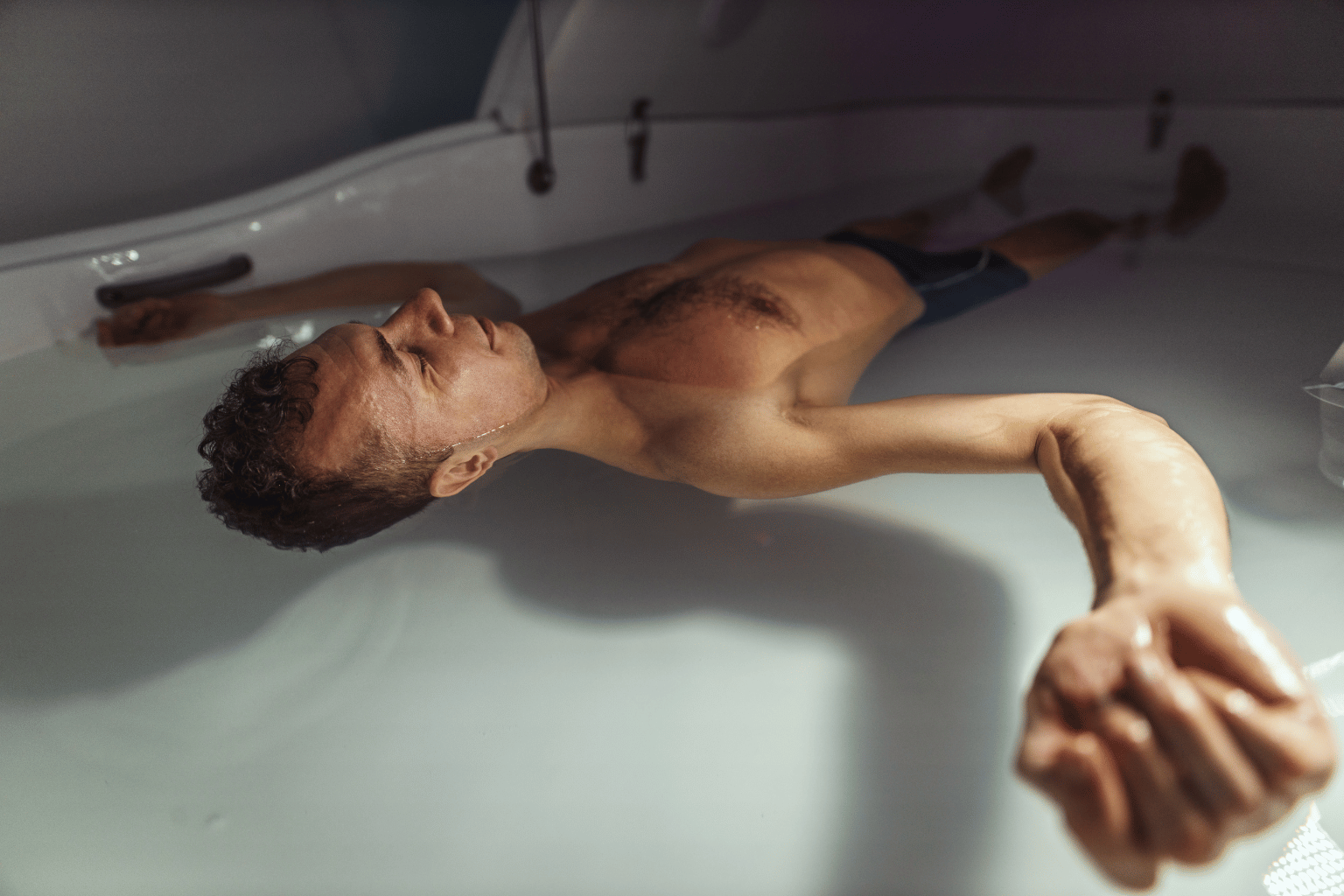
During a float session, the buoyancy of the saltwater supports the body without requiring the effort involved in standing or moving around. Some people find this environment comfortable and relaxing.
For the triathlete, the most valuable part of the experience was being able to remain still without thinking about pace, distance, heart rate, or the next workout.
Instead of treating relaxation as another performance goal, the athlete viewed the session as dedicated personal time.
However, float therapy should not replace established recovery practices. Adequate sleep, balanced nutrition, hydration, and planned rest remain essential for people involved in endurance sports.
How Float Therapy May Influence Body Awareness and Relaxation in 2026
A study published in BMC Complementary Medicine and Therapies on May 28, 2026, explored how people experience floatation-based Restricted Environmental Stimulation Therapy (Floatation-REST). Researchers interviewed 14 participants after a 60-minute session and identified different stages of the experience, including initial adjustment, deep relaxation, and a gradual return to normal awareness. Participants described changes in bodily sensations, thoughts, and their perception of time and space. These findings offer insight into how floating may create a distinctive relaxation experience, although the small study size means further research is needed.
Supporting Mental Focus and Mindfulness
Triathlon training requires mental preparation as well as physical effort. Athletes often need to maintain motivation, manage pressure, and stay focused during challenging workouts.
Thinking constantly about upcoming races and performance targets can make it difficult to relax. A quiet float environment may give some people an opportunity to step away from these concerns.
During the session, the triathlete focused on slow, comfortable breathing and allowed thoughts about training to pass without reacting to every one of them.
This simple approach provided an opportunity to practise mindfulness without following a complicated routine.
Choosing the right wellness products can make your home relaxation routine more enjoyable. Read our guides on buying the best magnesium bath soak and how to choose home wellness products for helpful tips on comparing products and finding options that suit your personal needs and lifestyle.
Making Float Therapy Part of a Balanced Routine
One session can introduce a new relaxation experience, but long-term well-being depends on consistent habits. After trying float therapy, the triathlete began paying closer attention to balancing training with rest and everyday responsibilities.
A few practical habits helped make the routine more manageable:
- Schedule rest: Include recovery time in the training plan rather than treating it as optional.
- Prioritise sleep: Maintain consistent sleeping habits whenever possible.
- Stay hydrated: Drink enough fluids to support training demands.
- Eat balanced meals: Provide the body with adequate energy and nutrients.
- Explore relaxation: Consider gentle stretching, breathing exercises, or float therapy according to personal preferences.
Redefining Rejuvenation for Endurance Athletes
For many triathletes, progress means faster times, longer distances, and improved consistency. However, a balanced approach also recognises the importance of slowing down when needed.
The triathlete’s experience with float therapy highlighted the value of making space for relaxation. Rather than expecting an immediate physical transformation, the athlete focused on enjoying a peaceful environment and developing healthier habits around rest.
Float therapy may not suit everyone, and it cannot guarantee improved athletic performance. However, people who enjoy quiet environments may appreciate it as one option for unwinding after busy days.
Ultimately, a well-rounded athletic lifestyle includes both effort and rest. Finding a balance between the two can help athletes approach their goals with greater awareness and consistency.
Explore the Float Therapy Guide
Note: People who are pregnant or have epilepsy, open wounds, or uncontrolled blood pressure should consult a healthcare professional before trying float therapy to determine whether it is appropriate for their circumstance
Frequently Asked Questions
What is float therapy?
Float therapy involves resting in warm, highly salted water that supports the body through buoyancy. Sessions often take place in a quiet environment designed to minimise distractions.
Can float therapy support athletic recovery?
It may help some athletes relax after demanding workouts. However, it should complement established recovery practices such as sleep, hydration, nutrition, and appropriate rest.
Can float therapy help athletes relax mentally?
Some people report feeling calmer after floating. The quiet setting may provide an opportunity to practise mindfulness, although results vary.